Best Magnetic Levitation DIY Kits for Beginners Reviewed
Looking for your first magnetic levitation diy kit? Check out these top picks for beginners:
Kit Name | Average Rating | Key Features |
|---|---|---|
T-HOT Magnetic Levitation Module Core Kit | Ambient LED, Touch control | |
Arduino Magnetic Levitation Kit | N/A | Open-source, Hands-on learning |
500g DIY Magnetic Levitation Module | N/A | 500g support, Easy setup |
You can find these kits on Amazon or eBay. Some need basic soldering. Most offer steady levitation and cool LED lights.
Key Takeaways
Choose a magnetic levitation kit that matches your skill level. The 500g DIY Module is great for quick results, while the Arduino Kit offers deeper learning.
Safety is key when selecting a kit. Look for high-quality materials and features that protect users, especially in educational settings.
Consider your budget and the kit’s features. Basic kits start under $30, but investing a bit more can lead to better quality and easier assembly.
Choosing a Magnetic Levitation DIY Kit
Ease of Use
When you pick a magnetic levitation diy kit, you want something simple to set up. Some kits let you start right away, while others need more patience. Take a look at this table to compare how easy these kits are to use:
Kit Name | Ease of Use Rating | Comments |
|---|---|---|
500g DIY Module | High | Fast setup, reliable control, very beginner-friendly. |
T-HOT Kit | Moderate | Visually appealing, easy to operate, but has initial setup challenges. |
Arduino Kit | Low | Offers deep learning opportunities but requires patience and tuning, less straightforward. |
If you want quick results, the 500g DIY Module works best for beginners. The T-HOT Kit looks cool but may need extra steps. The Arduino Kit gives you a deeper learning experience, but you might spend more time figuring things out.
Safety Features
Safety matters, especially if you plan to use your magnetic levitation diy kit in a classroom or with kids. Many kits use smooth, high-quality materials to protect your hands. Here’s what you should look for:
Feature | Description |
|---|---|
Assembly | Direct assembly, no need for other accessories, simple assembly, exercise the child’s hands-on ability. |
Material Safety | High quality material with smooth surface, edges and curves will all protect children’s safe play. |
Ability training: emotion, vision, intellectual development, manual brain, grasping, sensory, hand-eye coordination, other ability training, interactive toys, hearing, parent-child communication, interest training. |
Always check for rounded edges and sturdy parts. Kits with educational benefits help you learn while staying safe.
Price Range
Prices for magnetic levitation diy kits can vary. You might find basic kits for under $30. Advanced kits with more features cost $50 or more. Think about your budget before you buy. Sometimes, paying a little extra gets you better quality and easier assembly.
Reliability
You want your kit to work every time you use it. The 500g DIY Module stands out for steady levitation and strong control. Maglev train kits also offer reliable performance, especially for classroom demonstrations. Look for kits with good reviews and clear instructions. Reliable kits make your project fun and stress-free.
Top Magnetic Levitation DIY Kits

500g DIY Magnetic Levitation Module
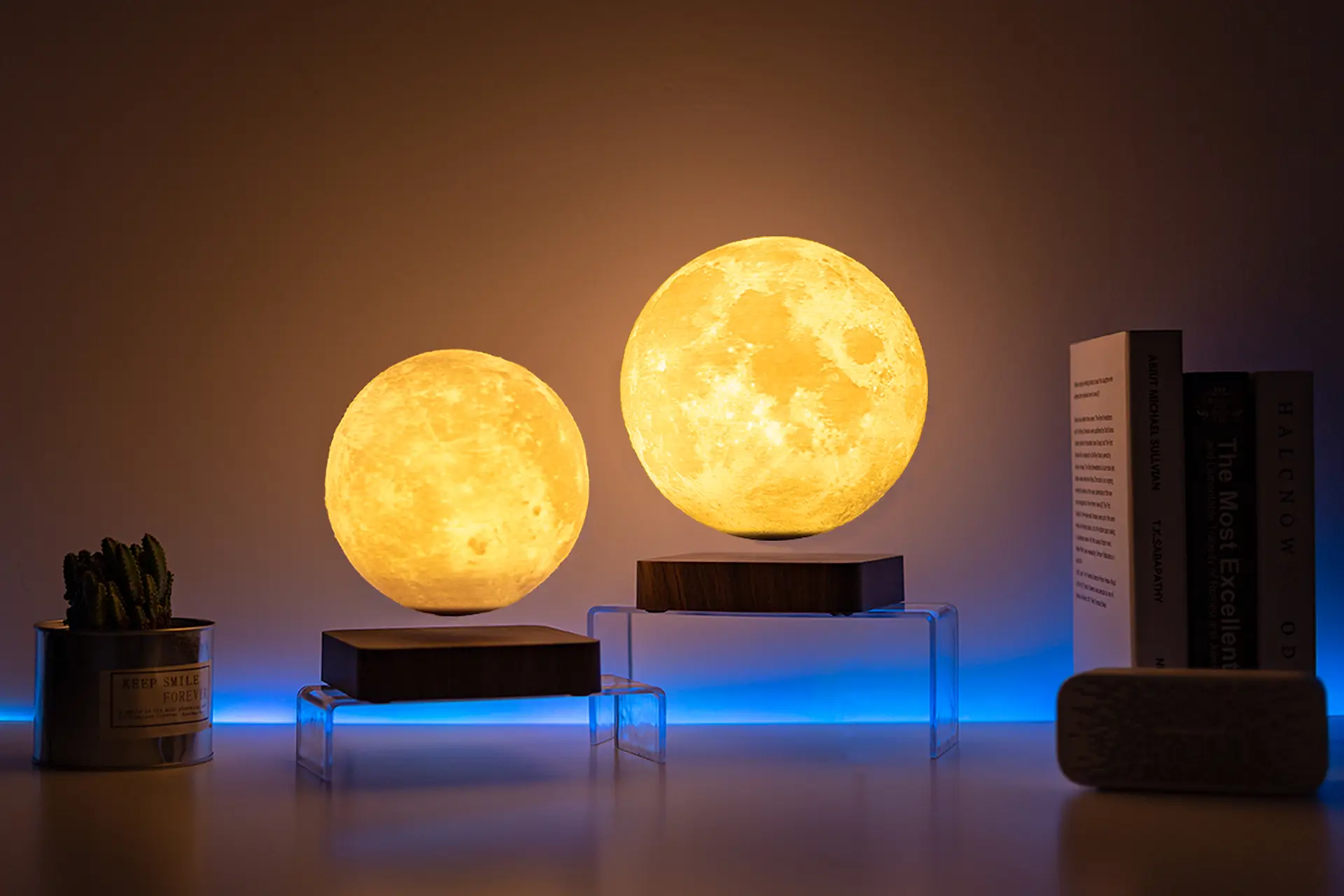
If you want a magnetic levitation diy kit that works right out of the box, the 500g DIY Magnetic Levitation Module is a solid choice. You just connect the power and position the magnet. The float hovers and spins in mid-air. LED lights on the motherboard make it look cool in a dark room. You can use it for science projects, classroom demos, or as a fun desk gadget.
Here’s a quick look at the main features:
Feature/Specification | Details |
|---|---|
Float & Rotate | Yes, stable levitation and rotation |
LED Lights | Yes, built-in |
Easy Setup | Plug and play |
Safety | Low power, stable design |
Age | 8+ |
Max Bearing Weight | About 500g |
Floating Height | 1.8-2.5cm |
Magnet Diameter | Up to 5cm |
Product Size | 10 x 10 x 2cm |
Power Adapter | 12V/2A |
Pros:
Quick setup
Reliable levitation
Bright LED lights
Cons:
Limited floating height
Only supports up to 500g
Best for: Beginners, classrooms, hobbyists who want a simple and steady magnetic levitation diy kit.
Maglev Train DIY Kit
Do you want to build something that feels like real science? The Maglev Train DIY Kit lets you explore quantum levitation and magnetic forces. You get strong magnets and even superconductors. The assembly takes time, but you learn a lot along the way. Many users say the process is challenging but rewarding. You feel proud when your train floats and glides across the track.
Check out how this kit compares to others:
Feature | Other Beginner Kits | |
|---|---|---|
Use of Superconductors | Yes | No |
Strong Magnets | Yes | Limited or none |
Advanced Experiments | Quantum levitation and magnetic forces | Basic experiments only |
Stable Levitation System | Yes | Not typically available |
Pros:
Teaches advanced science concepts
Stable levitation system
Impressive classroom demo
Cons:
Assembly takes time
Needs careful handling
Tip: If you want a kit that challenges you and teaches you about real-world maglev technology, this is the one to try.
Best for: Science students, teachers, and anyone who wants a hands-on learning experience with magnetic levitation diy kit technology.
Entry-Level Floating Display Kit
Maybe you want to show off a small object or create a cool display at home or work. The Entry-Level Floating Display Kit is easy to set up and perfect for beginners. You don’t need special skills. Just follow these steps:
Place your frame face down on a soft surface.
Put your canvas or object inside the frame.
Use spacers to center it and create an even gap.
Screw into the canvas stretcher bars from the back.
Attach the hanging wire to the back of the frame.
You can use this kit for parties, holiday decorations, or to attract attention in a small retail kiosk. It’s a fun way to experiment with 3D displays without spending a lot.
Target Usage | Description |
|---|---|
Home or Small Business | Great for parties, holiday decor, or retail displays. Fun for 3D experiments on a budget. |
Pros:
Simple assembly
Affordable
Versatile for displays
Cons:
Limited to lightweight objects
Not as interactive as other kits
Note: If you want a magnetic levitation diy kit for decoration or small business use, this kit makes it easy to get started.
Best for: Beginners, hobbyists, small business owners, and anyone who wants a floating display without complicated setup.
Performance Comparison
Load Capacity
When you look at different kits, you probably want to know how much weight they can float. Here’s what you can expect:
Most kits can levitate objects between 100g and 150g.
Some classroom kits support up to 300g.
The 500g module stands out for handling heavier items.
If you want to float something bigger, pick a kit with a higher load capacity. For small science projects or displays, the basic kits work just fine.
Alignment & Stability
Getting your object to float in the right spot can be tricky. Many beginners run into these common problems:
Trouble with assembling the wooden pieces.
Levitation problems that need you to check the magnet positions.
The floating magnet often tries to flip or move out of place. A stable system uses four electromagnets to keep the magnet centered. If you bump it, the system pushes it back to the middle. This active correction helps your project stay balanced and look impressive.
If you want less frustration, choose a kit with good stability features. You’ll spend more time enjoying your project and less time fixing it.
Power Supply
You need the right power supply for your kit to work well. Here’s a quick look at what most kits use:
Power Supply Type | Specification |
|---|---|
Main Power Supply | |
Adjustable Step-Down DC-DC Converter | Minimum 2A |
Voltage Regulator | 7805 for sensing and switching |
Capacitors | Two 1μF ceramic capacitors |
Some kits use an AC-DC 12V 2A adapter and consume about 5W of power. Always check the power needs before you buy.
Which kit should you choose?
If you want a magnetic levitation diy kit for classroom demos, go for the module kit with higher load and safety features. For home or hobby use, a basic kit with easy alignment works great. Pick the one that matches your project and skill level.
Where to Buy Magnetic Levitation DIY Kits
Online Platforms
You can find a magnetic levitation diy kit on popular online stores. Amazon and eBay have lots of options for beginners. These sites let you compare prices, read reviews, and check shipping details. Some sellers offer fast delivery, so you get your kit quickly. If you want more choices, try specialty science shops or educational supply websites. These stores sometimes have unique kits you won’t see anywhere else.
Tip: Always check if the seller ships to your area before you order. Some kits come from overseas and may take longer to arrive.
Buying Tips
Before you buy, look at a few key things. You want a kit that works well and keeps you safe. Here’s a table to help you know what to check:
Factor | Description |
|---|---|
Materials | Strong neodymium magnets and a stable base help your project float smoothly. |
Safety | Make sure the kit has safety features. Keep magnets away from kids and pets. |
Electronics | Sensors and coils help control and stabilize the floating object. |
Read customer reviews to see if other buyers liked the kit. Good reviews mean the kit works as promised. If you have questions, contact the seller for support. Reliable sellers answer quickly and help you solve problems. Look for clear instructions in the product description. If the kit needs soldering, make sure you have the right tools.
Note: If you want a smooth experience, pick a kit with lots of positive feedback and good support.
You want a kit that matches your skills and goals. Always check assembly steps and support.
Sometimes, kits arrive poorly calibrated. You may need help from the seller if things don’t work.
Think about your budget and how you’ll use the kit. Ready to start? Try these steps:
Push the top into the center hole.
Build a bridge with DVD sleeves.
Adjust the bridge height.
Spin the top and watch how it floats.
FAQ
How hard is it to set up a magnetic levitation DIY kit?
You can set up most beginner kits in less than 30 minutes. Just follow the instructions and use the included parts.
Do I need special tools or skills?
You only need basic tools like a screwdriver. Some kits need simple soldering. You do not need advanced skills.
Can I use these kits for school projects?
Yes! Many teachers use these kits for science class. You can show how magnets work and impress your classmates.