Capacidad de carga de levitación magnética: 7 Comprobaciones de medición
Un proveedor puede cotizar una cifra de kilogramos y aun así dejar indefinido el riesgo de integración. capacidad de carga de levitación magnética es un resultado condicional regido por la masa, centro de gravedad, compensar, brecha, margen de control, perturbación, tiempo de ejecución, y el estado seguro utilizado cuando se excede el límite declarado.
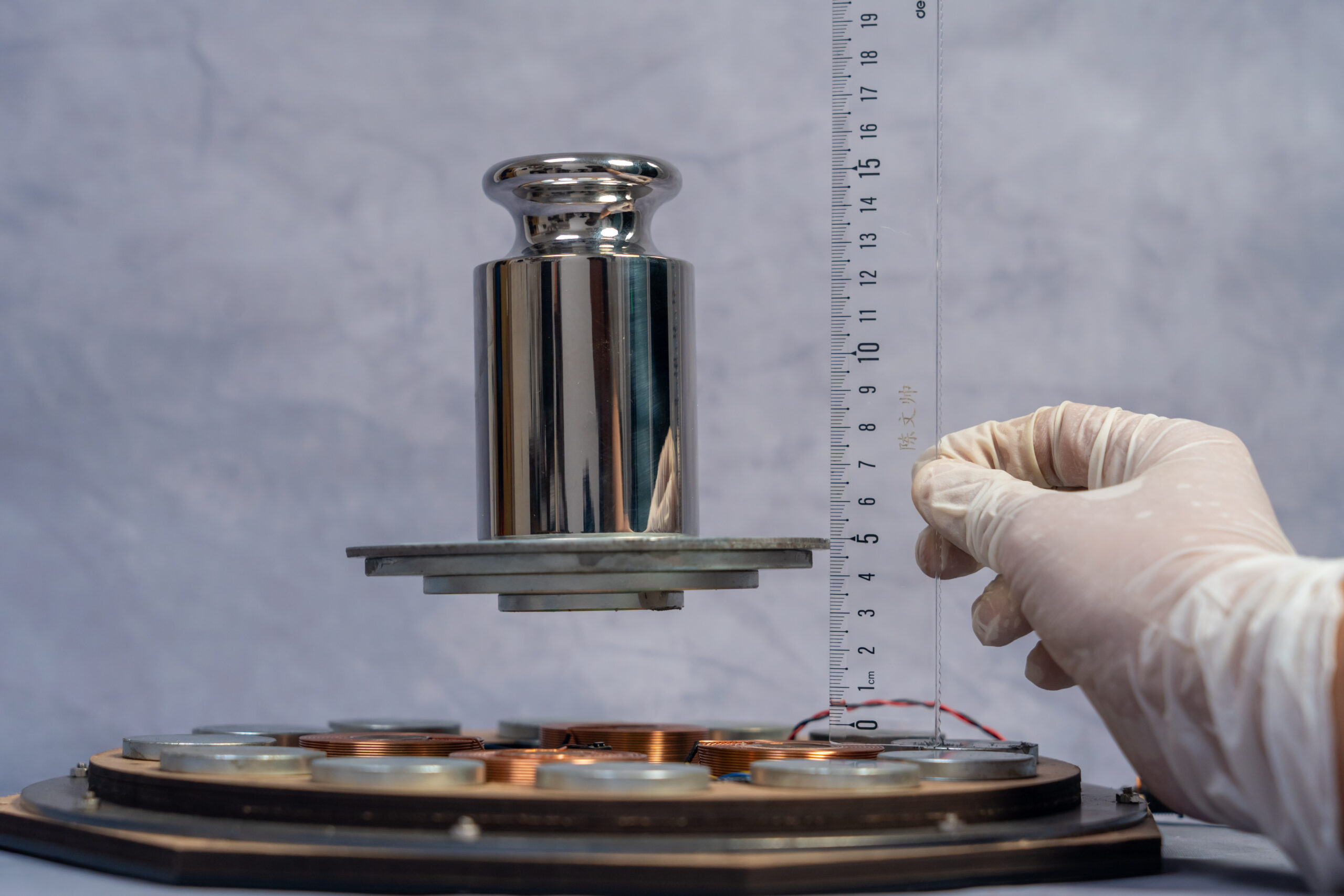
¿Qué es la capacidad de carga de levitación magnética en una solicitud de cotización de ingeniería??
La capacidad de carga no es un solo número impreso al lado de la fotografía del módulo.. Es la carga útil que permanece dentro de los límites de estabilidad y seguridad definidos por el proveedor bajo una configuración mecánica y eléctrica declarada..
La página pública del módulo Goodwell muestra ejemplos específicos de productos que incluyen 0–500 g, 0–1 kilogramo, y rangos de 0 a 2 kg con diferentes espacios de levitación. Esos ejemplos muestran por qué un comprador debe hacer coincidir la capacidad con el módulo exacto., brecha, geometría de carga útil, y condición de prueba.
Por lo tanto, la solicitud de cotización correcta solicita tanto un límite de masa como las condiciones detrás de él.. Si el proveedor proporciona sólo un peso nominal, El comprador no puede calcular el momento fuera del eje., autorización, comportamiento de aterrizaje, o el margen disponible durante el manejo y operación.
| Campo | ¿Por qué cambia la capacidad? | Registro requerido |
|---|---|---|
| Masa | Establece la fuerza hacia abajo | Valor de carga útil calibrado y tolerancia |
| Centro de gravedad | Crea momento axial y radial. | Posición desde el eje magnético |
| Compensar | Consume margen de control | Excentricidad máxima permitida |
| Brecha | Cambia la fuerza y el rango del sensor. | Espacio cargado y tolerancia. |
| Perturbación | Agrega desplazamiento transitorio | Tocar, vibración, flujo de aire, o rotación |
| Tiempo de ejecución | Expone la deriva y la temperatura. | Duración y temperatura continuas. |
Cual 7 Los controles hacen que una prueba de carga sea transferible?
Primero, medir la carga útil en lugar de confiar en una descripción del catálogo. Registre el objeto ensamblado completo., incluyendo imanes, receptor, soporte, elemento de embalaje, y cualquier componente decorativo que quede durante el funcionamiento.
Segundo, localizar el centro de gravedad en tres dimensiones. Tercero, registrar el desplazamiento del eje magnético, porque un centrado 500 cilindro g y un desplazamiento 500 La pantalla g puede exigir diferentes correcciones radiales y holguras mecánicas..
Cuatro, medir la brecha de levitación cargada desde un punto de referencia fijo. Quinto, definir la perturbación que representa la instalación real, como un toque controlado, flujo de aire del gabinete, vibración, o rotación repetida.
Sexto, ejecutar el sistema después de la estabilización térmica durante la duración de funcionamiento prevista. Séptimo, definir los estados de aceptación y falla, incluido el desplazamiento máximo, comportamiento de recuperación, aterrizaje controlado, contacto superficial, y si el objeto se puede restablecer de forma segura.

¿Cómo debe un comprador medir la capacidad de carga antes de la integración??
Comience con un dispositivo de medición que fije la base e identifique un plano de referencia repetible.. Agregue carga útil en pasos controlados, registrar la brecha y el desplazamiento, y detenerse cuando se alcanza la condición de aceptación declarada en lugar de cuando el objeto cae visiblemente.
En cada paso, masa récord, dimensiones, centro de gravedad, compensar, brecha, condición de entrada, y temperatura. Una comparación válida requiere el mismo método de medición en toda la serie de carga., porque cambiar el accesorio o el dato puede crear un falso aumento de capacidad.
Repita la carga más alta aprobada después de la estabilización térmica y la perturbación.. Para objetos comerciales de alto valor, agregue la prueba de pérdida de energía porque el límite de carga está incompleto si el sistema no puede llevar la carga útil a un estado de soporte controlado cuando la energía desaparece.
- Utilice la carga útil completa y ensamblada, no sólo la concha decorativa
- Mida el centro de gravedad y el desplazamiento respecto del eje magnético.
- Registre el espacio cargado y descargado desde un dato fijo
- Repetir en estabilización térmica y perturbación realista.
- Indique el límite de aceptación y la condición de aterrizaje seguro.
- Mantenga el registro de prueba firmado con el archivo de aprobación del prototipo.
¿Cómo deben interpretarse los rangos de Goodwell públicos??
La página del módulo público de Goodwell enumera varias combinaciones de carga y espacio, incluidas configuraciones de alto espacio para cargas útiles más livianas y configuraciones de menor espacio para rangos más pesados. La página es útil para identificar posibles familias de hardware., pero no debe leerse como una calificación universal para una geometría de producto no probada.
El informe de la empresa describe una gama de módulos industriales personalizados que van desde 100 g a 2,000 g-plus y analiza por separado un 2 kg dirección del soporte de exhibición flotante. Esas cifras requieren el módulo exacto., estructura, centro de gravedad, brecha, tiempo de ejecución, y condiciones de perturbación antes de que puedan aparecer en una especificación de compra.
Para una nueva aplicación, empezar con el Página del módulo de levitación magnética, luego compara el Gama de productos y Ejemplos de casos personalizados. Envíe el dibujo de carga útil y los supuestos de medición a través de Contacto / Diseño gratuito antes de seleccionar una configuración de producción.
Lista de verificación de auditoría de proveedores: 5 Documentos a solicitar antes de firmar
- Informe de prueba de capacidad de carga: identifica el módulo, carga útil, centro de gravedad, compensar, brecha, aporte, tiempo de ejecución, y resultado de aceptación.
- Registro de calibración o medición: indica el dispositivo de pesaje, dato, resolución, y la incertidumbre o tolerancia de medición utilizada.
- Informe de validación de perturbaciones: documentos tocan, vibración, flujo de aire, rotación, y límites de recuperación relevantes para la instalación..
- Hoja de datos de configuración: separa gamas específicas de productos de familias de módulos generales e identifica límites de funcionamiento seguros.
- Muestra de inspección previa al envío: prueba esa carga útil, brecha, estabilidad, y los controles de aterrizaje se repiten en las unidades de producción..
Preguntas frecuentes: Capacidad de carga de levitación magnética
q: ¿Qué significa la capacidad de carga de levitación magnética??
Es la carga útil máxima declarada que un módulo específico puede soportar bajo una geometría definida., brecha, centro de gravedad, perturbación, tiempo de ejecución, y condiciones de seguridad. Un valor de masa sin esas condiciones no es una calificación de ingeniería transferible..
q: es un 2 Clasificación en kg válida para cada módulo de levitación magnética.?
No. El 2 La cifra de kg en el resumen de Goodwell está asociada con una dirección específica del soporte de exhibición flotante y no debe generalizarse a todos los módulos.. Solicite un registro de prueba que coincida con la estructura exacta, centro de gravedad, brecha, tiempo de ejecución, y condición de perturbación.
q: ¿Por qué es importante el centro de gravedad al medir la carga útil??
El centro de gravedad determina el momento aplicado alrededor del eje magnético., no sólo la fuerza hacia abajo. Dos objetos con la misma masa pueden requerir márgenes de control diferentes cuando uno tiene un desplazamiento mayor o una altura más alta., forma desigual.
q: ¿Cómo debe un proveedor informar una prueba de capacidad de carga??
El informe debe identificar la revisión del módulo., masa de carga útil y dimensiones, centro de gravedad, compensar, brecha, condición de energía, temperatura, tiempo de ejecución, perturbación, y criterios de aceptación. También debe indicar si la prueba terminó en levitación estable., aterrizaje controlado, o fracaso.
Si su objeto tiene un centro de gravedad desplazado, requisito de rotación, o presentación minorista de alto valor, enviar los datos del dibujo y la carga útil a Diseño libre de Goodwell. Correo electrónico [email protected] con masa, dimensiones, centro de gravedad, brecha, tiempo de ejecución, y condiciones de perturbación.
Para una referencia de física sobre fuerzas y conceptos de medición., consultar Física OpenStax. La referencia respalda el contexto científico subyacente., mientras que la decisión de capacidad real requiere una prueba del proveedor específica de la configuración.