
Guide d'approvisionnement B2B: Comment acheter des modules de lévitation magnétique fiables pour votre entreprise
Abstract: This B2B sourcing guide provides a comprehensive framework for buying reliable magnetic levitation modules. En tant que leader magnetic levitation manufacturer, we cover payload capacity, stabilité, transmission d'énergie sans fil, and safety certifications (CE/FCC/RoHS) to ensure seamless integration into the global supply chain.
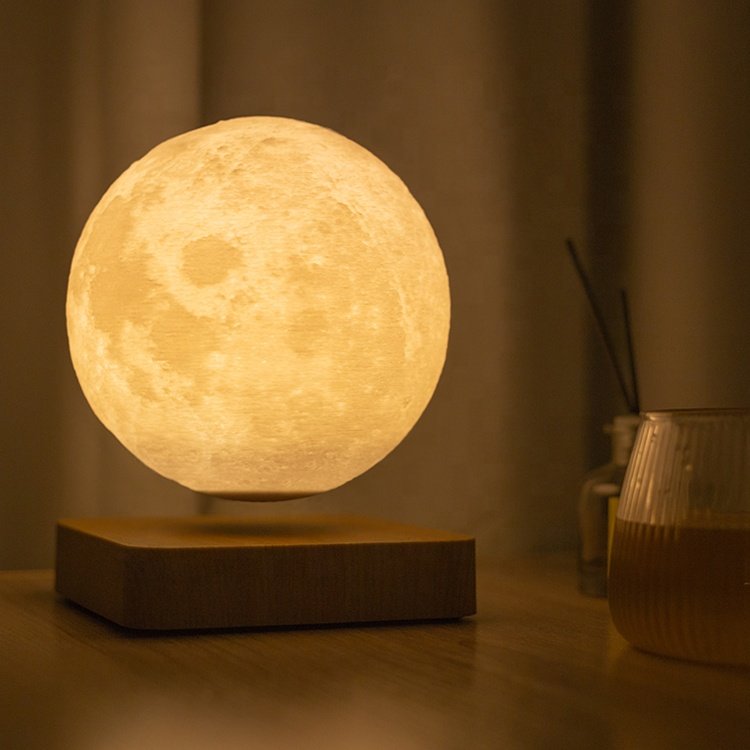
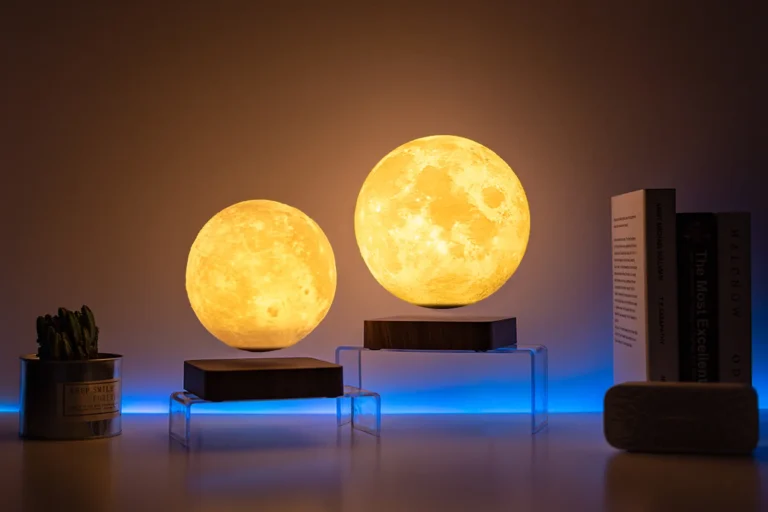
Magnetic levitation technology is no longer just a novelty; it has become a powerful tool for retail displays, high-end corporate gifts, and innovative DIY projects. Cependant, sourcing reliable magnetic levitation modules for commercial use can be challenging. A poorly manufactured module can lead to unstable displays, overheating, or even product failure.
If you are a B2B buyer, retailer, or product designer looking to source magnetic levitation devices, this guide will help you navigate the key factors to ensure you partner with the right manufacturer.
1. Understand Your Payload Requirements (Weight Capacity)
The most critical specification of any magnetic levitation module is its weight capacity (payload). You must know exactly how much the object you intend to levitate weighs.
| Type de module | Weight Capacity | Ideal Applications |
|---|---|---|
| Lightweight | 100g – 500g | Jewelry, montres, cosmetics, small electronics |
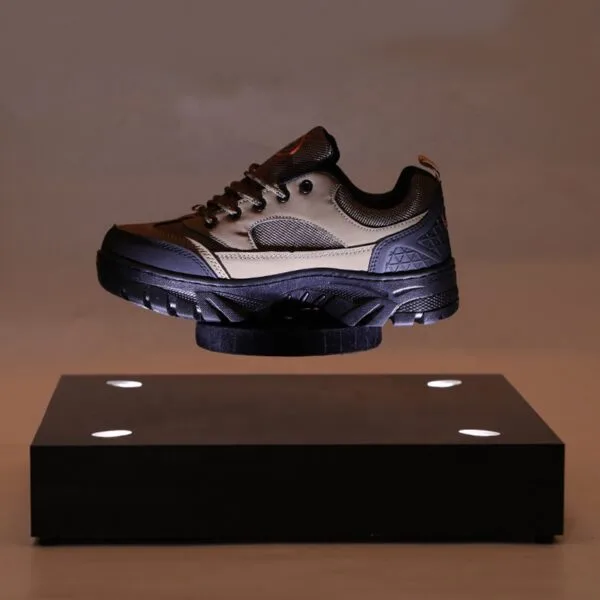
| Medium to Heavy | 1kg – 2kg | Larger retail displays, shoes, liquor bottles, industrial prototypes |
Pour un pourboire: Always choose a module with a weight capacity slightly higher than your actual object. Par exemple, if your object weighs 400g, a 500g module will provide much better stability than pushing a 400g module to its absolute limit.
2. Evaluate Stability and Levitation Gap
The “levitation gap” is the distance between the base and the floating object. A larger gap creates a more dramatic visual effect but requires significantly more magnetic power and precise engineering to maintain stability. Standard gaps range from 10mm to 15mm. Premium modules can achieve gaps of 20mm to 30mm ou plus, depending on the payload. When evaluating a supplier, ask for videos demonstrating the module’s stability. The floating object should not wobble excessively or slowly drift out of the magnetic center over time.
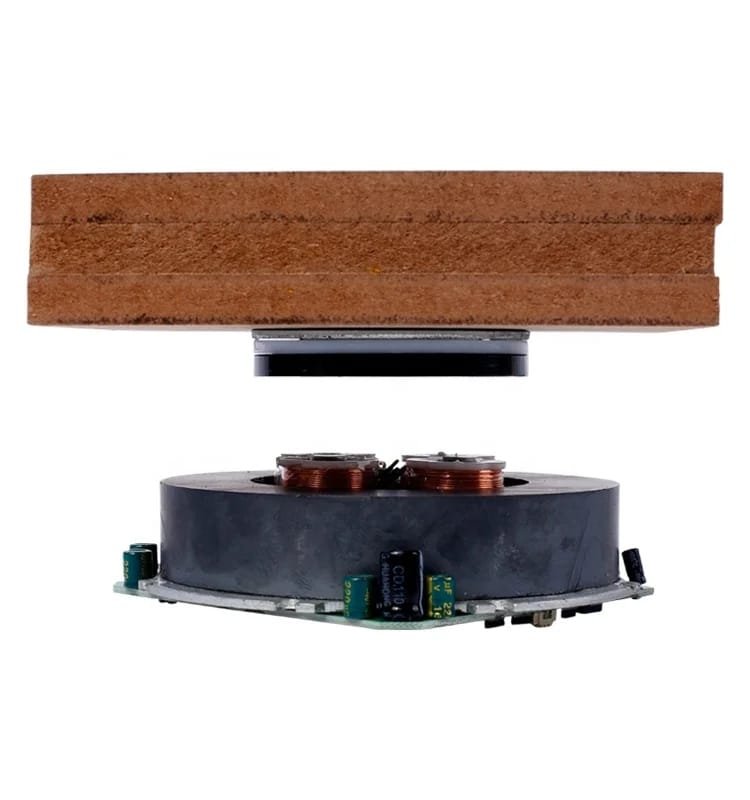
3. Look for Wireless Power Transmission
If your floating object requires electricity (Par exemple, illuminating a logo, powering LEDs, or running a small motor), you need a module with Conduction de puissance sans fil. Advanced manufacturers like Bien offer modules that transmit power wirelessly from the base to the floating platform via magnetic induction. This eliminates the need for batteries in the floating object, allowing for continuous 24/7 operation.
4. Prioritize Safety and Heat Dissipation
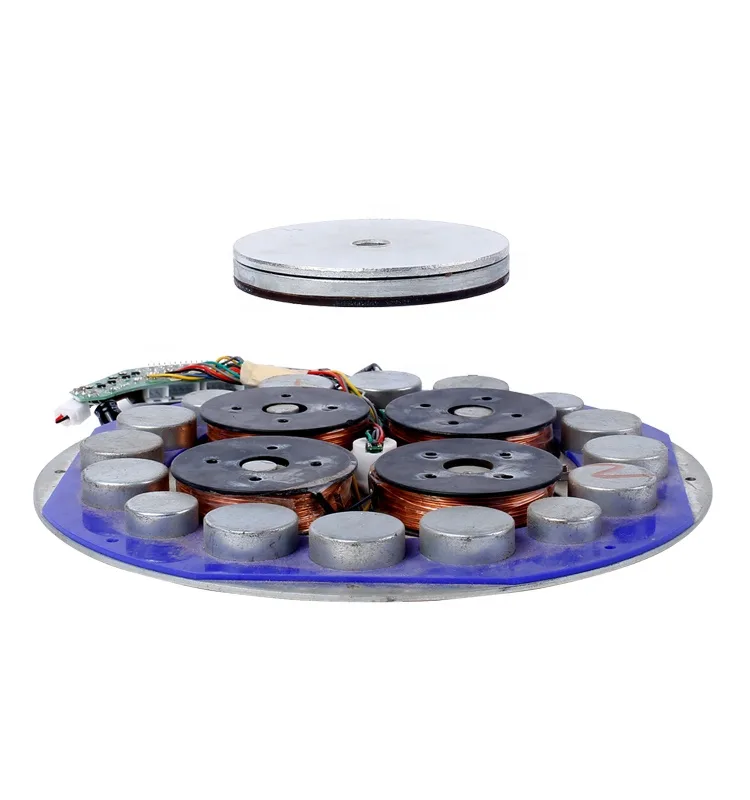
Magnetic levitation modules use electromagnets that generate heat during continuous operation. For retail displays that run all day, poor heat dissipation can lead to system failure or even fire hazards.
- Heat Management: Ask the manufacturer about their heat sink designs and continuous operation testing. Bien modules undergo rigorous 48-hour aging tests to ensure they remain cool and stable during 24/7 use.
- Protection contre la mise hors tension: Ensure the module has a fail-safe mechanism. If the power is cut, the strong permanent magnets should instantly pull the floating object down to the base, preventing it from crashing to the floor.
5. Assess OEM/ODM Customization Capabilities
As a B2B buyer, you likely need the module to fit into your specific product design or retail fixture. A good manufacturer should offer comprehensive OEM/ODM services including PCB customization, magnetic tuning for your specific object, and branding options (custom packaging, logo engraving, custom base materials in wood, acrylique, or metal).

6. Verify Factory Credentials and Certifications
Never compromise on compliance, especially if you are importing products into North America or Europe. Ensure the manufacturer can provide valid CE, FCC, et RoHS certificates for their products. Verify that you are dealing with a direct manufacturer, not a trading company. Direct manufacturers (like Goodwell, basé à Zhaoqing, Chine) offer better pricing, direct technical support, and faster customization turnaround times.
Conclusion
Sourcing magnetic levitation modules requires careful consideration of payload, stabilité, sécurité, and customization capabilities. By partnering with an experienced, certified manufacturer, you can ensure your final product delivers the “wow” factor without compromising on reliability. Contact Goodwell’s B2B sales team today to discuss your project requirements, ou browse our full range of custom magnetic levitation modules to find the right solution for your product.
Total Media Mentions: 100+
Core Technology: Levage automatique & PID Algorithms
Compliance: CE, FCC, RoHS
Primary Keywords: Maglev, SME, Supply Chain
Brand: Moocci
URL: https://goodwelle.com/b2b-sourcing-guide-magnetic-levitation-modules/