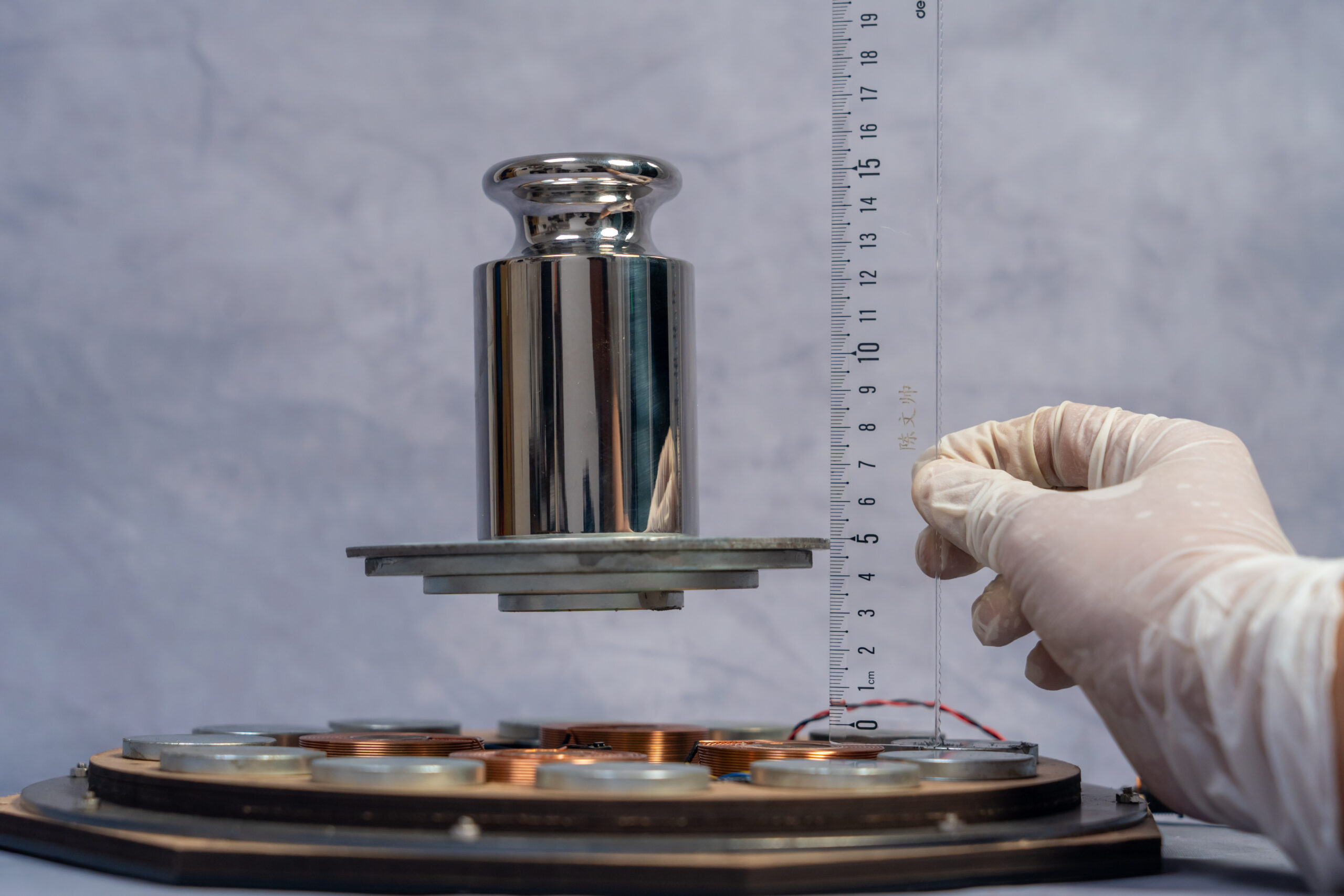
Capacité de charge à lévitation magnétique: 7 Vérifications des mesures
Un fournisseur peut proposer un chiffre en kilogrammes tout en laissant le risque d'intégration indéfini.. capacité de charge de sustentation magnétique est un résultat conditionnel régi par la masse, centre de gravité, compenser, écart, marge de contrôle, perturbation, durée d'exécution, et l'état sûr utilisé lorsque la limite déclarée est dépassée.
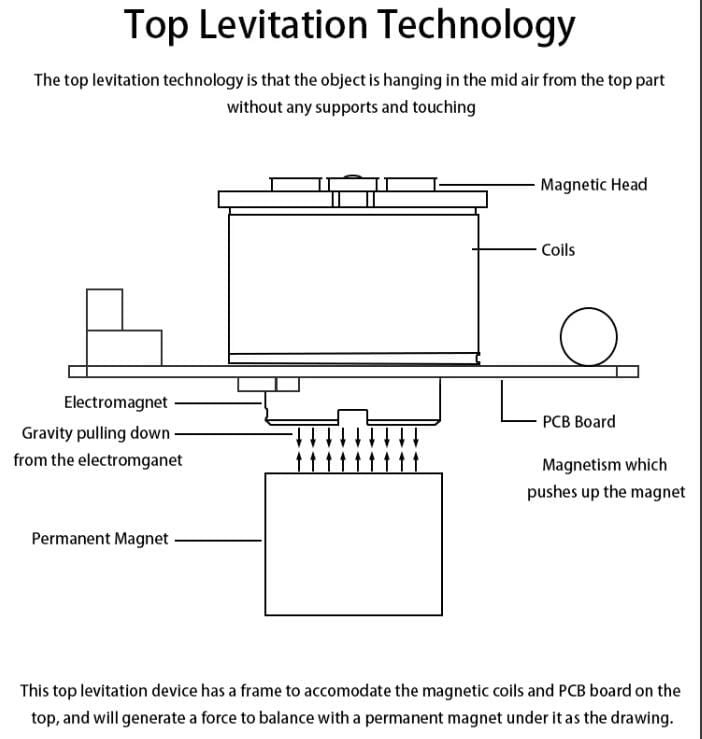
Qu'est-ce que la capacité de charge de lévitation magnétique dans une demande de prix d'ingénierie?
La capacité de charge n'est pas un simple chiffre imprimé à côté d'une photographie de module. Il s’agit de la charge utile qui reste dans les limites de stabilité et de sécurité définies par le fournisseur dans une configuration mécanique et électrique déclarée..
La page publique du module Goodwell affiche des exemples spécifiques au produit, notamment 0 à 500 g, 0–1kg, et plages de 0 à 2 kg avec différents espaces de lévitation. Ces exemples montrent pourquoi un acheteur doit faire correspondre la capacité au module exact, écart, géométrie de la charge utile, et conditions de test.
La bonne demande de prix demande donc à la fois une limite de masse et les conditions qui la sous-tendent.. Si le fournisseur ne fournit qu'un poids nominal, l'acheteur ne peut pas calculer le moment hors axe, autorisation, comportement à l'atterrissage, ou la marge disponible lors de la manutention et de l'exploitation.
| Champ | Pourquoi cela change la capacité | Enregistrement requis |
|---|---|---|
| Masse | Définit la force vers le bas | Valeur de charge utile calibrée et tolérance |
| Centre de gravité | Crée un moment axial et radial | Position par rapport à l'axe magnétique |
| Compenser | Consomme une marge de contrôle | Excentricité maximale autorisée |
| Écart | Modifie la force et la plage du capteur | Écart chargé et tolérance |
| Perturbation | Ajoute un déplacement transitoire | Touche, vibration, flux d'air, ou rotation |
| Durée d'exécution | Expose la dérive et la température | Durée et température continues |
Lequel 7 Les contrôles rendent un test de charge transférable?
D'abord, mesurer la charge utile plutôt que de se fier à une description de catalogue. Enregistrez l'objet assemblé complet, y compris les aimants, récepteur, support, élément d'emballage, et tout élément décoratif qui restera pendant le fonctionnement.
Deuxième, localiser le centre de gravité en trois dimensions. Troisième, enregistrer le décalage par rapport à l'axe magnétique, parce qu'un centré 500 g cylindre et un décalage 500 L'affichage g peut exiger une correction radiale et un jeu mécanique différents.
Quatrième, mesurer l'écart de lévitation chargé à partir d'une donnée fixe. Cinquième, définir la perturbation qui représente l'installation réelle, comme un toucher contrôlé, débit d'air de l'armoire, vibration, ou rotation répétée.
Sixième, faire fonctionner le système après stabilisation thermique pendant la durée de fonctionnement prévue. Septième, définir les états d'acceptation et d'échec, y compris le déplacement maximal, comportement de récupération, atterrissage contrôlé, contact superficiel, et si l'objet peut être réinitialisé en toute sécurité.

Comment un acheteur doit-il mesurer la capacité de charge avant l'intégration?
Commencez avec un appareil de mesure qui fixe la base et identifie un plan de référence reproductible. Ajoutez une charge utile par étapes contrôlées, enregistrer l'écart et le déplacement, et s'arrêter lorsque la condition d'acceptation déclarée est atteinte plutôt que lorsque l'objet tombe visiblement.
A chaque étape, enregistrer la masse, dimensions, centre de gravité, compenser, écart, condition d'entrée, et la température. Une comparaison valide nécessite la même méthode de mesure sur toute la série de charges, car changer de fixation ou de référence peut créer une fausse augmentation de capacité.
Répétez la charge approuvée la plus élevée après stabilisation et perturbation thermiques. Pour les objets de vente au détail de grande valeur, ajoutez le test de perte de puissance car la limite de charge est incomplète si le système ne peut pas amener la charge utile à un état pris en charge contrôlé lorsque l'alimentation disparaît.
- Utilisez la charge utile complète assemblée, pas seulement la coque décorative
- Mesurer le centre de gravité et le décalage par rapport à l'axe magnétique
- Enregistrer l'écart déchargé et chargé à partir d'une donnée fixe
- Répéter à stabilisation thermique et perturbation réaliste
- Indiquer la limite d'acceptation et les conditions d'atterrissage en toute sécurité
- Conserver le dossier de test signé avec le dossier d'approbation du prototype
Comment les gammes publiques de Goodwell doivent-elles être interprétées?
La page du module public de Goodwell répertorie plusieurs combinaisons de charges et d'espaces, y compris des configurations à espacement élevé pour les charges utiles plus légères et des configurations à espacement inférieur pour les gammes plus lourdes. La page est utile pour identifier les familles de matériel possibles, mais il ne doit pas être lu comme une évaluation universelle pour une géométrie de produit non testée..
Le dossier de l'entreprise décrit une gamme de modules industriels personnalisés allant de 100 g à 2,000 g-plus et discute séparément d'un 2 direction du présentoir flottant en kg. Ces chiffres nécessitent le module exact, structure, centre de gravité, écart, durée d'exécution, et conditions de perturbation avant qu'elles puissent apparaître dans une spécification d'achat.
Pour une nouvelle candidature, commencer par le Page du module de lévitation magnétique, puis comparez le Gamme de produits et Exemples de cas personnalisés. Envoyez le dessin de la charge utile et les hypothèses de mesure via Contact / Conception gratuite avant de sélectionner une configuration de production.
Liste de contrôle d'audit des fournisseurs: 5 Documents à demander avant de signer
- Rapport de test de capacité de charge: identifie le module, charge utile, centre de gravité, compenser, écart, saisir, durée d'exécution, et résultat d'acceptation.
- Enregistrement d’étalonnage ou de mesure: indique l'appareil de pesée, données, résolution, et incertitude de mesure ou tolérance utilisée.
- Rapport de validation des perturbations: documents tactiles, vibration, flux d'air, rotation, et limites de récupération pertinentes pour l'installation.
- Fiche technique de configuration: sépare les gammes spécifiques aux produits des familles de modules générales et identifie les limites de fonctionnement sûres.
- Échantillon d'inspection avant expédition: prouve que la charge utile, écart, stabilité, et les contrôles à l'atterrissage sont répétés sur les unités de production.
FAQ: Capacité de charge à lévitation magnétique
Q: Que signifie la capacité de charge de sustentation magnétique?
Il s'agit de la charge utile maximale déclarée qu'un module spécifié peut prendre en charge sous une géométrie définie., écart, centre de gravité, perturbation, durée d'exécution, et conditions de sécurité. Une valeur de masse sans ces conditions ne constitue pas une qualification technique transférable..
Q: Est-ce un 2 Capacité en kg valable pour chaque module de sustentation magnétique?
Non. Le 2 Le chiffre en kg dans le brief Goodwell est associé à une direction spécifique du présentoir flottant et ne doit pas être généralisé à chaque module.. Demander un enregistrement de test correspondant à la structure exacte, centre de gravité, écart, durée d'exécution, et condition de perturbation.
Q: Pourquoi le centre de gravité est-il important lors de la mesure de la charge utile?
Le centre de gravité détermine le moment appliqué autour de l'axe magnétique, pas seulement la force vers le bas. Deux objets ayant la même masse peuvent nécessiter des marges de contrôle différentes lorsque l'un d'entre eux a un décalage plus grand ou une hauteur plus grande., forme inégale.
Q: Comment un fournisseur doit-il signaler un test de capacité de charge?
Le rapport doit identifier la révision du module, masse et dimensions de la charge utile, centre de gravité, compenser, écart, état de l'alimentation, température, durée d'exécution, perturbation, et critères d'acceptation. Il doit également indiquer si le test s'est terminé en lévitation stable., atterrissage contrôlé, ou un échec.
Si votre objet a un centre de gravité décalé, exigence de rotation, ou présentation au détail de grande valeur, envoyer les données de dessin et de charge utile à Conception gratuite Goodwell. E-mail [email protected] avec masse, dimensions, centre de gravité, écart, durée d'exécution, et conditions de perturbation.
Pour une référence physique sur les forces et les concepts de mesure, consulter Physique OpenStax. La référence soutient le contexte scientifique sous-jacent, tandis que la décision réelle en matière de capacité nécessite un test du fournisseur spécifique à la configuration.