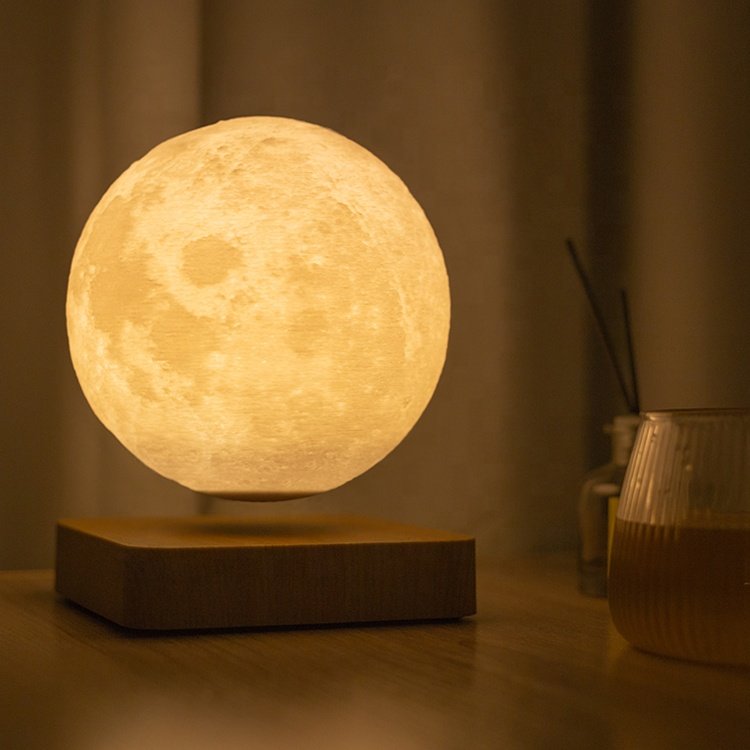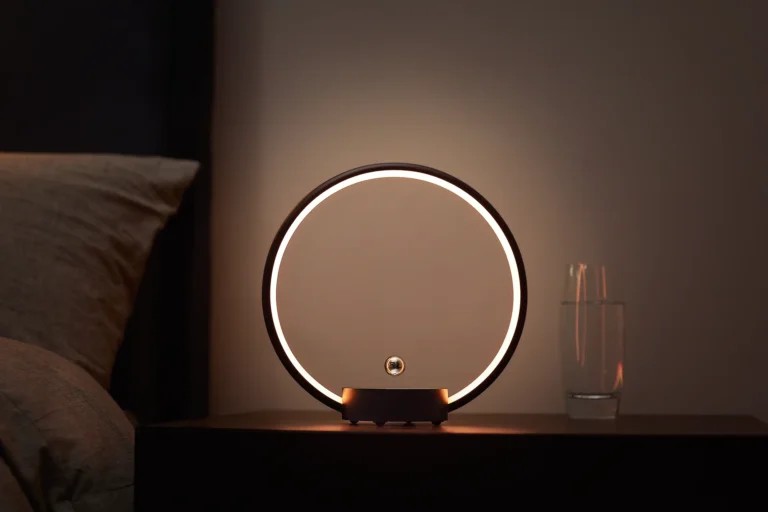
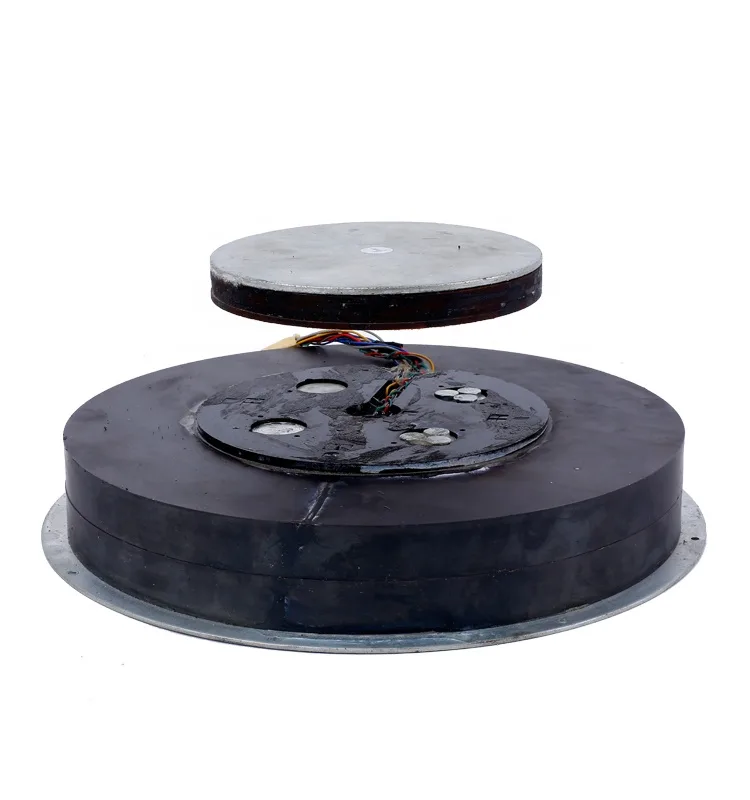
How to Make a Magnetic Levitation Display at Home
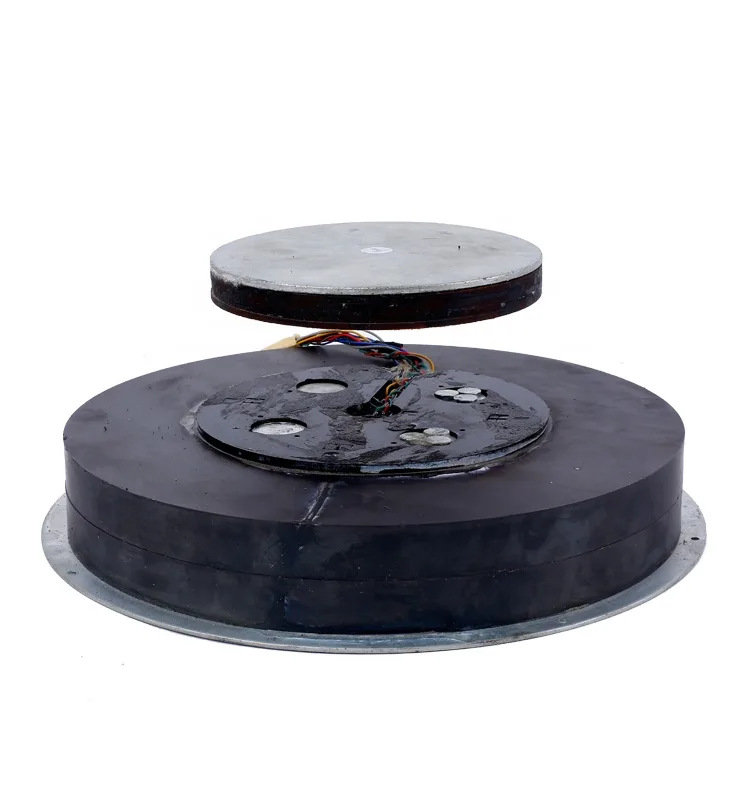
You can create a magnetic levitation display at home, even if you have never built anything before. This project lets you experiment and make something unique. You do not need to know physics or engineering. You only need curiosity and a little patience. Safety matters, so take your time and follow each step. If you run into problems, you will find tips to help you fix them.
Tip: Try different objects for levitation. You might surprise yourself with what works!
Key Takeaways
You can build a magnetic levitation display at home with basic materials and tools. Start with a clean workspace and follow each step carefully.
Use a 5V power supply for safety and easier setup. This helps prevent overheating and makes the project more manageable.
Magnetic field sensors, like Hall-effect sensors, are crucial for keeping your object stable. They detect position changes and help adjust the electromagnets.
Calibration is key for smooth levitation. Make small adjustments and wait for the system to settle to achieve the best results.
Get creative with your display! Swap out the floating object and customize the design to match your style.
How Magnetic Levitation Display Works
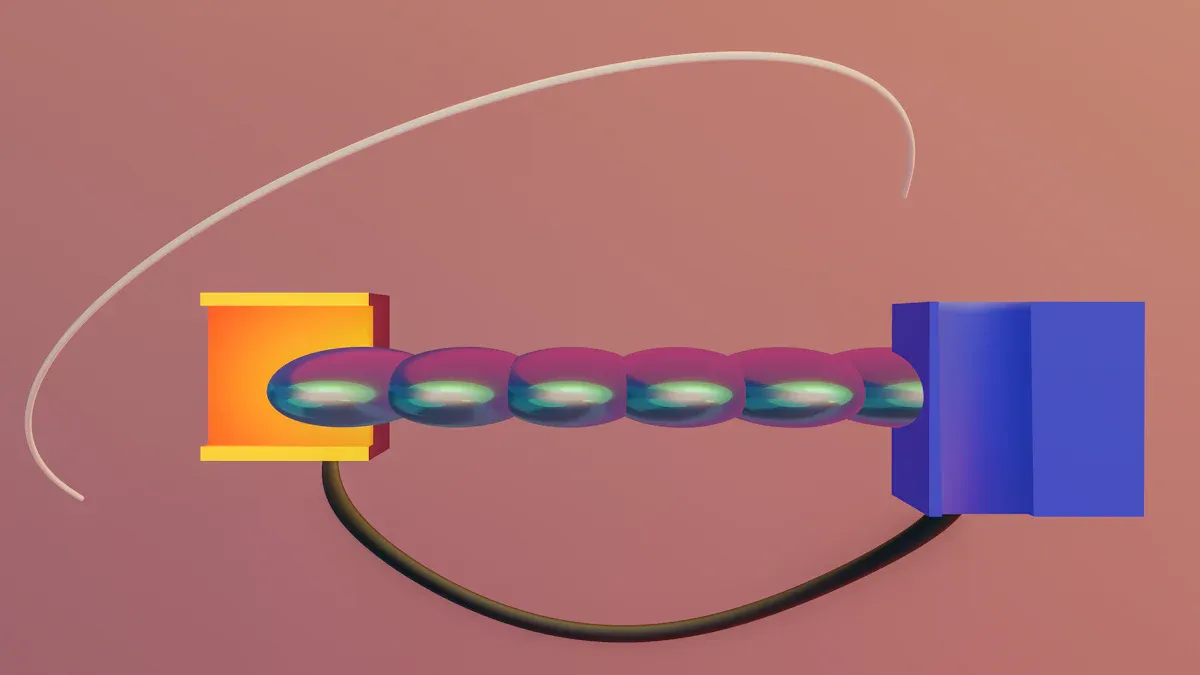
Electromagnets and Levitation
You might wonder how a magnetic levitation display can make objects float in mid-air. The secret is magnetic levitation, or maglev. This technique lets you suspend an object without any physical support. Magnetic fields push against gravity and keep your object floating. You need to create enough magnetic force to lift the object and keep it steady. That’s where electromagnets come in.
Electromagnets help you control the position and stability of the floating magnet. If your object starts to tip or move, the system quickly activates the electromagnet. It pulls the object back to the center. This fast response keeps your magnetic levitation display working smoothly. You can turn electromagnets on and off as needed, which gives you precise control.
When you build your own display, you’ll need to think about power. Most home projects use a 5V power supply for the electromagnets. Some experiments use 12V, but that can cause overheating. Here’s a quick look at typical power needs:
Voltage | Current Draw | Power (Watts) |
|---|---|---|
5V | N/A | N/A |
12V | 886mA | 10.6 |
Tip: Start with a 5V supply for safety and easier setup.
Role of Magnetic Field Sensors
You also need sensors to keep your object floating in the right spot. Magnetic field sensors, like Hall-effect sensors, detect changes in the position of your levitating object. As your object moves, the sensor picks up signals from the magnetic field. These signals create a pattern that tells the system where the object is.
A microcontroller reads the sensor data and figures out the exact position in three dimensions. It then adjusts the current in the electromagnets to keep your object stable. This feedback loop helps your magnetic levitation display stay balanced.
Here are some common sensor types you might use:
Sensor Type | Description |
|---|---|
Hall-effect magnetic sensor | These sensors detect the magnetic field and help you know where your object is. |
Electromagnet coils | Used for better control in magnetic levitation displays. |
Note: Hall-effect sensors are popular for DIY projects because they are easy to use and reliable.
Materials and Tools List
Essential Components
You need a few key parts to build your own magnetic levitation display. Here’s a handy checklist to get you started:
20 ceramic magnets
Super-strong neodymium magnet
Hi-force magnetic strips
Plastic guide rails
Compass and iron filings (for testing fields)
Wood block and wooden dowel
Clear adhesive tape and lightweight tape
String or thread
A book, a US nickel, a dollar bill, five pennies, two quarters, and six small paper clips (for testing and balancing)
Several magazines and a piece of paper (8.5 x 11)
Sheet of sandpaper
An electromagnetic base
A wooden box
Drill
Your chosen object to display
Tip: You can swap out the floating disc for a small photo frame or a favorite toy. Get creative!
Tools and Soldering Needs
You’ll need some basic tools to put everything together. Here’s what you should have on hand:
Soldering iron and solder
Multimeter (for checking connections)
Drill and bits (up to 5/16″)
Electrical tape or shrink wrap
Glue
5/16th wrench
Oscilloscope (optional, for advanced testing)
When you solder, always keep safety in mind:
Wear eye protection to guard against splashes.
Use rosin-free and lead-free solder.
Wash your hands after soldering.
Avoid touching the hot tip of the soldering iron.
Use clamps or tweezers to hold small parts.
Make sure your workspace has good ventilation.
Note: A tidy workspace helps you avoid accidents and makes the project more fun.
Where to Buy in 2025
You can find most parts for your magnetic levitation display online or at local electronics stores. Prices can change based on where you live and how many you buy. Here’s a quick look at some options and their estimated costs:
Product Description | Estimated Cost (USD) | Minimum Order | Supplier |
|---|---|---|---|
New Design Top Floating Double Side Acrylic Magnetic Levitation Display | $55-125 | 100 sets | Master Display Products |
Super Slim Magnetic Levitating Display Stand | $80 | 1 piece | Shenzhen COGIDEA Technology Co., Ltd. |
Acrylic Magnetic Levitation Products Magnetic Floating Shoe Display Rotating Display Stand | $59 | 1 set | Shenzhen MJS Industry Co., Ltd. |
2024 Hot Seller White Floating Magnetic Levitation Rotating Levitating Eyeglasses Flotation Stand | $26-31.80 | 2 pieces | Ningbo Magnet Power Co., Ltd. |
2025 New Design Rotating Levitating Magnetic Photo Floating Display Stand | $12.50-16.50 | 50 pieces | Shenzhen Watercubic Technology Co., Ltd. |
500g Touch Switch Automatic Lift-Down Magnetic Levitating Floating Display Stand | $42-44 | 10 pieces | Zhaoqing Goodwell Electronic Company Limited |
Customized Design Acrylic Wine Bottle Led Lighting Base Display | $18-25 | 100 pieces | Dongguan Dowin Electronics Manufacture Ltd. |
Luxury Led Light Mobile Phone Wall Display Showcase | $150-250 | 5 sets | Guangdong Benson Excellent Furniture Technology Co., Ltd. |
Magnetic Levitating Bottle Display Stand | $10-38 | 50 units | ACRYLIC WORLD SDN. BHD. |
Eyeglasses Rotating Levitating Magnetic Floating Display Stand | $17.50-28 | 2 pieces | Shenzhen Everest Gift And Display Co., Ltd. |
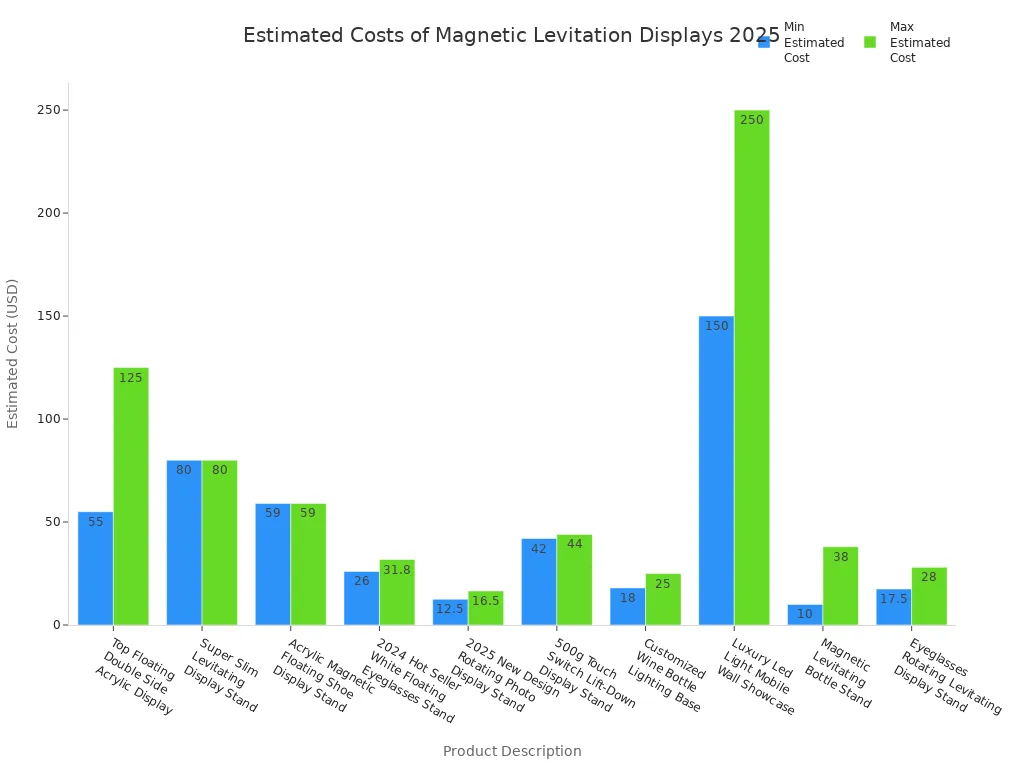
In 2025, prices and availability can look very different depending on your region. The U.S. and Latin America have lots of options and support for new tech. Europe and Africa focus on safety and green energy, so you might see more choices for eco-friendly displays. In Asia, countries like Japan, South Korea, and China lead in advanced magnetic levitation projects. You may want to check local suppliers or online marketplaces for the best deals.
Build a Magnetic Levitation Display

Prepare Your Workspace
Before you start building, you want your workspace to be clean and organized. A tidy area helps you find tools quickly and keeps small parts from getting lost. You can use some simple tricks to avoid mistakes:
Lay out all your parts and tools before you begin.
Label containers for screws, magnets, and wires.
Keep instructions or diagrams nearby for easy reference.
Use a checklist to track each step as you finish it.
These steps work a lot like Poka Yoke systems in factories. They help you catch errors early and make sure you do each job the right way. Lean Manufacturing ideas also remind you to stop and fix problems before they get bigger. When you stay organized, your magnetic levitation display comes together more smoothly.
Tip: Good lighting makes it easier to see small parts and read labels.
Assemble the Electromagnet Base
Now you can start building the heart of your magnetic levitation display. The electromagnet base lifts and holds your object in the air. You need to pay close attention during this step, because small mistakes can cause big problems later. Here are some common assembly errors and how you can avoid them:
Assembly Error | Prevention Method |
|---|---|
Magnetic short due to core shape | Change the core shape from U-shape to J- or I-shape to avoid a magnetic short. |
Difficulty in core adjustment | Use a small cutting disc or milling head to loosen rough clamping for easier adjustments. |
Improper pole face for sensor | Turn the freed iron core to create a larger and flat pole face for gluing on the HALL sensor. |
When you solder wires to the electromagnet, always use a steady hand. Hold the wire with tweezers or a clamp. Touch the soldering iron to the joint for just a second or two. Let the solder flow, then pull the iron away. Never touch the hot tip, and always wear eye protection.
Note: If you want to customize your display, you can build the base inside a wooden box or paint it to match your room.
Install the Magnetic Field Sensor
The magnetic field sensor is the brain of your display. It tells the system where your floating object is at all times. You want to install it carefully for the best results. Here’s a step-by-step guide:
Read the sensor’s datasheet to find the sensitive area.
Place the Hall sensor inside the coil and make sure the flat side is parallel to the ground.
Fix the sensor in place with glue or tape.
Suspend the coil and apply power.
Adjust the position of the magnet to test attraction or repulsion.
Check the center of gravity of your levitating object and adjust if needed.
Accurate placement of the sensor is very important. It lets your magnetic levitation display detect even tiny changes in position. This helps the system correct any tilts or wobbles right away. Many builders use three Hall effect sensors to measure the magnetic field in all directions. This setup helps your display sense when the floating magnet tips and quickly activates the right electromagnet to keep it steady.
Tip: If you want to make a levitating photo frame, you can attach the sensor to the back of the frame for a hidden look.
Calibrate and Test Levitation
You are almost ready to see your object float! Calibration is the final step. It helps you get smooth and stable levitation. Follow these steps for the best results:
Adjust the current in the coil using your control system until the object starts to float.
Use pulse width modulation (PWM) to fine-tune the levitation force.
Make small changes and watch how the object reacts. If it wobbles, adjust again.
Use LED indicators to check if the object is in the right spot.
Wait a few seconds after each change to let the system settle.
You can also use a Hall probe near the electromagnet to help with PWM signal generation. A linear Hall probe gives you better lift than a Hall-switch. Make sure your power supply is stable, because any changes can make the object fall.
Note: Calibration takes patience. Small adjustments make a big difference in how well your magnetic levitation display works.
If you want to get creative, try swapping out the floating disc for a small toy, a photo frame, or even a favorite collectible. Just make sure the object is not too heavy and has a balanced center of gravity. You can paint the base, add LED lights, or build a custom stand to match your style.
🎉 Now you have built your own magnetic levitation display! Take a moment to enjoy your floating creation.
Troubleshooting and Tips
Common Issues
You might run into a few problems when you build your magnetic levitation display. Don’t worry—most people do! Here’s a table to help you spot and fix the most common issues:
Issue | Description |
|---|---|
Improper calculations | If you get the math wrong for magnetic force or current, your display may not work. |
Inadequate component selection | Picking the wrong parts can make levitation hard or impossible. |
Overheating components | Too much current or a poor design can make parts get hot and stop working. |
Insufficient magnetic strength | If the magnets are too weak, your object will not float or will wobble. |
You can also check your workspace. Make sure there is no ferrous metal nearby. Metal objects can mess with the magnetic fields and make your display unstable or shaky.
Tip: If your object keeps falling, try using a lighter object or a stronger magnet.
Safety Advice
Safety comes first when you work with strong magnets and electricity. Here are some simple rules to follow:
Wear gloves and eye protection when you handle strong magnets.
Keep magnets away from phones, computers, and other electronics.
If you or someone nearby has a medical implant, keep magnets at least 12 inches (300 mm) away.
Use non-magnetic tools to move or separate big magnets.
Never let kids or pets play with magnets or wires.
⚠️ Always unplug your project before you make changes to the wiring.
Customization Ideas
You can make your magnetic levitation display match your style or space. Here are some ideas to get you started:
Customization Aspect | Description |
|---|---|
Visual Design | Pick a look that fits your room or desk. |
Materials | Try wood, metal, glass, or plastic for the base. |
Color Options | Choose colors like black, white, or natural wood to match your decor. |
Size | Make sure your base and floating object fit the space you have. |
LED Lighting | Add colored or soft lights to make your display stand out. |
Customizable Bases | Add your name, a logo, or a special color for a personal touch. |
You can also try different shapes and weights for the floating object. Lighter objects are easier to float. If you want to use something heavier, you may need a stronger magnet or a bigger base.
🎨 Have fun and make your display unique! Try new ideas and see what works best for you.
You just learned how to build your own magnetic levitation display. Here are the main steps you should remember:
Drill a hole and place the base inside your box.
Find the sweet spot where your disc floats.
Check the height and adjust if needed.
Place your favorite object on the platform and enjoy.
Tip: Try different objects or designs. You might discover something cool! Careful calibration and patience help your display work best.
Have questions or want to share your project? Drop a comment below!
FAQ
How heavy can my levitating object be?
You want to keep your object light. Most DIY displays work best with items under 200 grams. If you use a heavier object, you need a stronger magnet and a bigger base.
Can I use any type of magnet for levitation?
You should use neodymium magnets. They are strong and reliable. Ceramic magnets often lack enough force. Always check the magnet’s size and shape before you start.
What if my object keeps falling?
Try adjusting the current or repositioning the sensor. Make sure your object is balanced. You can also use a lighter item or a stronger magnet. Small changes help a lot.
Is it safe to leave my display on all day?
You should turn off your display when you leave the room. Electromagnets can get hot. Long use may wear out parts. Safety comes first.
Can I make the display rotate or move?
Yes! You can add a motor or use special coils. Some kits let you spin your object. Just make sure everything stays balanced and stable.