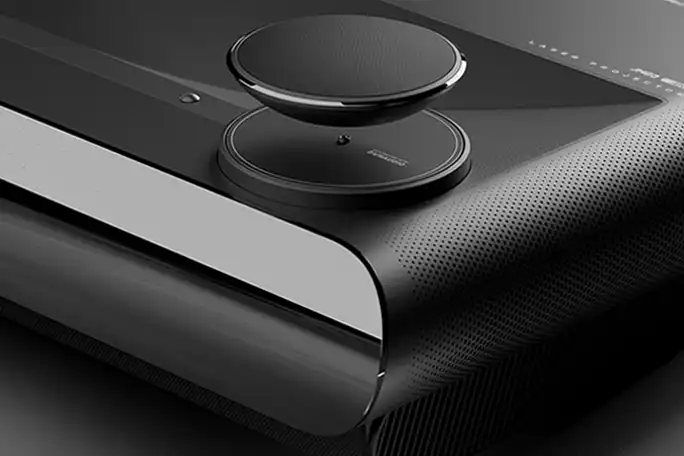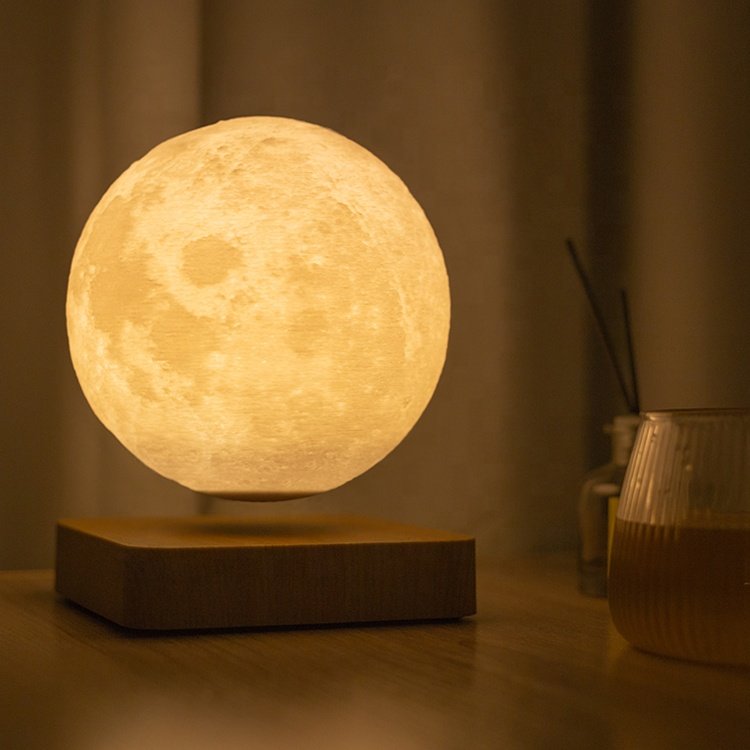
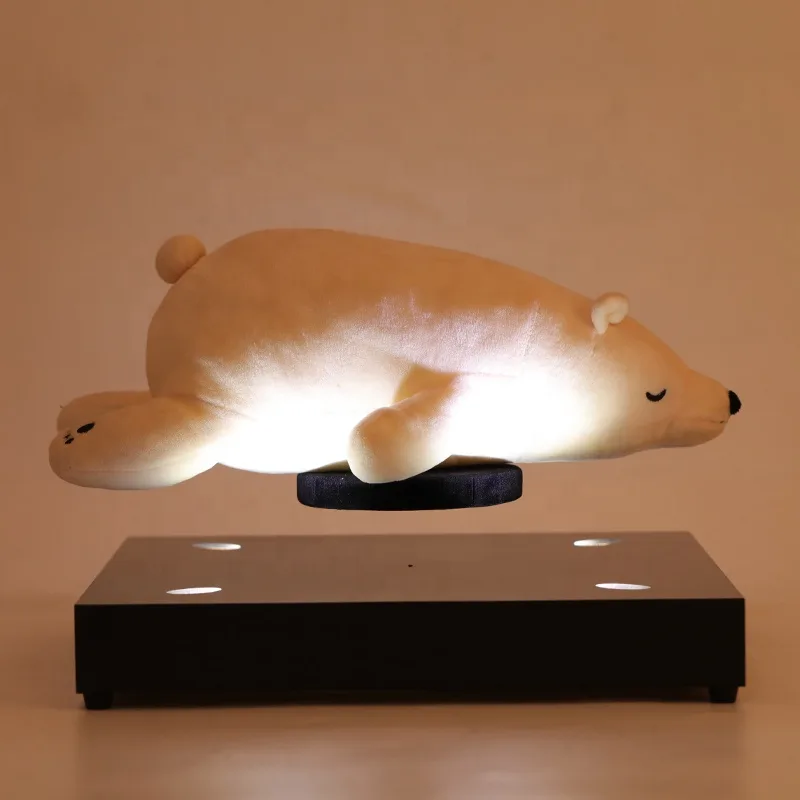
空中浮遊ディスプレイスタンドの仕組み
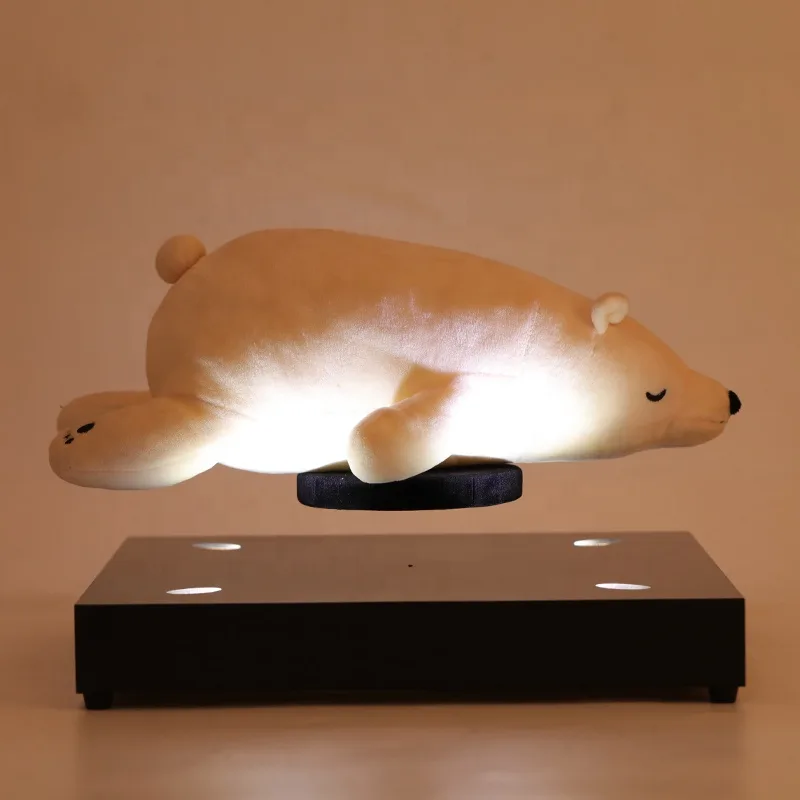
磁場を利用して物体を浮遊させる空中展示スタンドが見えます. 永久磁石がプラットフォームを持ち上げます. 電磁コイルが安定を保つ. で 2025, スマートな安定化により、より優れたコントロールが可能になります. ワイヤレス給電により、ワイヤーなしでディスプレイを点灯できます. より安全になります, より滑らかな, そしてさらに印象的な結果.
キーテイクアウト
浮上ディスプレイスタンドは磁気浮上を利用して物体を浮かせます。. 永久磁石と電磁コイルが連携して安定したホバリング効果を実現.
最新のスタンドには高度なセンサーとワイヤレス電源が搭載されています. これらの改良により安定性が向上し、煩雑な配線なしで照明が可能になります。.
で 2025, よりインタラクティブな表示を期待する. スマートなコントロールとカスタマイズ可能な機能により、浮遊スタンドの使用が楽しく魅力的になります.
空中浮遊ディスプレイスタンド技術
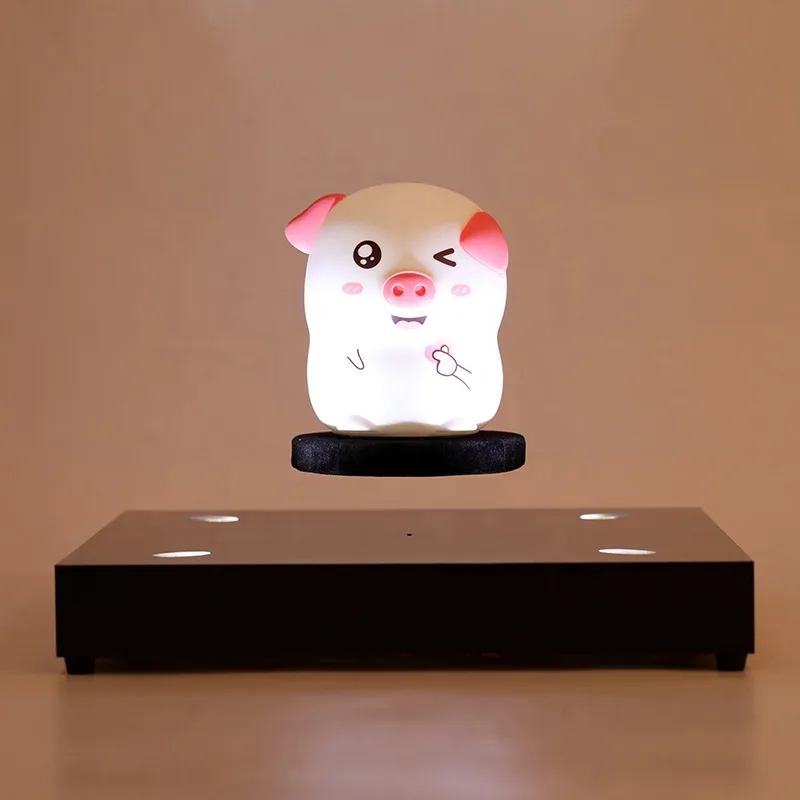
磁気浮上の基礎
浮遊ディスプレイスタンドがどのようにして物体を空中に浮かせることができるのか疑問に思うかもしれません。. 秘密は磁気浮上にあり. この技術は永久磁石と電磁コイルの両方を使用します。. 永久磁石は強力な磁力を生み出します, 安定した磁場. 電磁コイル, 一方で, 磁力を素早く変えることができる. スタンドの電源を入れると, コイルは重力に逆らうように極性を調整します. このアクションにより、プラットフォームが上昇してホバリングします。.
磁石とコイルの間の相互作用により、物体は浮遊状態に保たれ、回転することさえあります。. プラットフォームが何も触れていないことがわかります。. ベース内のセンサーが浮遊プラットフォームの位置を毎秒何度も確認します. プラットフォームが移動した場合, コイルはすぐに反応します. プラットフォームのバランスを保つために力を変える. このシステムにより、浮遊ディスプレイスタンドで物体を所定の位置に保持し、あらゆる角度から展示することができます。.
安定化と安全機能
プラットフォームを安定に保つことは、プラットフォームを浮かせることと同じくらい重要です. ディスプレイを滑らかで安全に見せたい. 現代のスタンドは、リング磁石とコイルの特別な配置を使用しています。. これらの部品が連携して上下を制御します。 (垂直) そして横から横へ (水平) 動き.
ここにあります スタンドのバランスがどのように保たれているかを示す簡単な表:
安定タイプ | メカニズムの説明 |
|---|---|
垂直方向の安定性 | 磁場は重力に逆らって押し上げる湾曲した形状をしています. この形状により、プラットフォームが高すぎたり低すぎたりすることがなくなります。. |
水平安定性 | このシステムはジャイロスコープの動きを使用します. プラットフォームがずれ始めたら, 滑って離れるのではなく、中心点を中心に小さな円を描いて移動します。. |
追加の安全機能も利用できます. 位置センサーとジャイロスタビライザーにより、スタンドが突然の衝撃や揺れに反応するのに役立ちます。. 誤ってプラットフォームを押してしまった場合, システムはすぐに中心に戻します. これにより、空中浮遊ディスプレイスタンドを家庭内で安全に使用できるようになります。, 店, そして展示会. アイテムは安全に保たれ、見た目も素晴らしいものになると確信できます。.
コンポーネントと操作
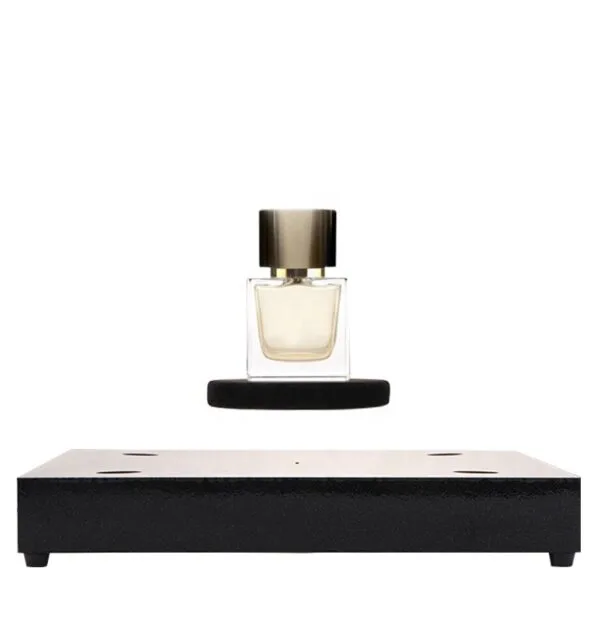
スタンドの主要部分
空中浮遊ディスプレイ スタンドはいくつかの重要な部分に分解できます. 各部分には特別な仕事があります. これを示す表は次のとおりです。 主なコンポーネントとその機能:
成分 | 関数 |
|---|---|
電磁石 | 安定性と高さを維持するために、オンとオフを素早く切り替えて浮上を制御します。. |
センサー | フローティングマグネットの位置を検出し、正確な調整を確実に行います。. |
制御システム | センサーのフィードバックに基づいて電磁石への信号を管理し、位置ずれを防止します. |
フローティングプラットフォームと頑丈なベースユニットもあります。. ベースには電磁石とセンサーが取り付けられています. フローティングプラットフォームは、オブジェクトを浮遊させて保持する部分です. センサーが送信する リアルタイムデータ 制御システムへの. の 制御システムは脳のように機能します. このデータを使用してプラットフォームを安定した状態に保ちます.
ヒント: 金属物を近づけないでください 基地から. これにより、電磁干渉を防ぎ、浮遊ディスプレイスタンドのスムーズな動作を維持できます。.
浮上の仕組み
明確なプロセスに従って、浮遊ディスプレイスタンドを機能させることができます. ここにあります ステップバイステップガイド:
ベースユニットを平らな面に置きます. コイルとセンサーのセットアップが真っ直ぐで安定していることを確認してください.
対象物をベースの中心に真下に吊り下げます。. これはバランスを保つのに役立ちます.
スタンドの電源を入れる. 制御システムがセンサーをチェックし、電磁石を起動します。.
フローティングプラットフォームの高さを変更したい場合は、パワーと吸引範囲を調整してください.
より重い物体用, より太いマグネット ワイヤを使用し、電磁石内のワイヤの巻き数を増やす. 安定性を向上させるために、プラットフォームにネオジム磁石を追加することもできます。.
より高い電圧の電磁石を使用する場合, センサーを保護するために電圧レギュレーターを追加します.
スタンドが作動すると、, センサーはリアルタイムのフィードバックを提供します. 制御システムは高度なアルゴリズムを使用して、電磁石に送られる電流を調整します。. これにより、プラットフォームが浮いて安定した状態に保たれます. 予測ロジックにより、システムはあらゆる動きに迅速に反応します. フィードバック ループにより、プラットフォームがドリフトまたは傾き始めた場合に即座に修正できます。.
注記: 迅速かつ正確なフィードバックが重要です. プラットフォームのぐらつきや落下を防ぎます. これにより、浮遊ディスプレイスタンドが安全かつ信頼性の高いものになります。.
メーカーはこれらのスタンドを厳しい安全基準を満たすように設計しています。. わかります CEなどの認証, RoHS, UL, およびETL. これらは、スタンドが屋内および公共スペースで安全に使用できることを示しています。. ほとんどのスタンドには自動シャットオフ機能があり、非毒性の素材が使用されています。.
2025 モデルの改善
安定性の向上
あなたはそれに気づくでしょう 2025 モデルは古いバージョンよりもはるかに優れた安定性を提供します. メーカーは高度なセンサーとより高速な制御システムを使用しています. これらの改善により、プラットフォームを水平に保つことができます, 重いものや異形のものを置いても. 浮遊ディスプレイスタンドを使用すると、商品をスムーズに浮かせることができます。. これらの高度なスタンドの価格は以下のとおりです。 $60 に $180, サイズと機能に応じて. 一部のモデルにはリモコンまたは内蔵照明が含まれています.
ワイヤレスパワーとスマートコントロール
浮遊物体を照らすためにワイヤーはもう必要ありません. 新しいスタンドの使用 ワイヤレス電力伝送. この技術は磁気浮上と誘導電力伝送を使用します。. LED や小さなガジェットを浮かせたまま電力を供給できます. 一部のシステムでは、 まで 95% 効率, いくつかは最高レベルに達することもあります 99%. これは、エネルギーの無駄がほとんどないことを意味します.
スマートなコントロールでエクスペリエンスがさらに向上. ここにいくつかを示す表があります 見つかるかもしれない機能:
特徴 | 説明 |
|---|---|
Bluetooth接続 | 携帯電話からスタンドを制御できます |
モーションセンサー | 手の動きを検出して素早い応答を実現 |
カスタマイズ可能な LED シーケンス | 独自の照明効果を作成する |
設定を変更できます, 照明を調整する, または、携帯電話や簡単なジェスチャーを使用してディスプレイを操作することもできます.
ユーザーエクスペリエンスとアプリケーション
浮遊展示スタンドがあちこちで見られます. 店舗は新製品を披露し、顧客を引き付けるためにそれらを使用します。. 学校では科学キットに使用されています 磁気について教える. 高速列車でも同様の技術を使用して摩擦のない走行を実現しています.
産業・用途 | 説明 |
|---|---|
教育 | 磁気浮上について学ぶための DIY キット |
小売り | 店舗での製品やガジェットの展示 |
交通機関 | リニアモーターカーのスムーズな走行, ファストトラベル |
最新のスタンドには LED 照明などの機能が備わっています, タッチコントロール, IoT接続性. これらの機能により、ディスプレイがよりインタラクティブで楽しいものになります. 顧客は商品を見ることに多くの時間を費やします, それはより多くの売上につながる可能性があります. 空中浮遊ディスプレイスタンドを使用したり見るたびに、思い出に残る体験が得られます。.
空中浮遊ディスプレイ スタンドが高度な磁石をどのように使用しているかがわかります。, スマートセンサー, ワイヤレス給電により安定した電力を供給します。, 目を引く効果. あなたは次の恩恵を受けます 強い浮遊, 鮮やかな照明, 簡単なコントロール. 多くのユーザーが注目度や売上が増加したと報告しています. 将来, さらにインタラクティブで環境に優しいデザインが見られるかもしれません.
よくある質問
空中浮遊ディスプレイスタンドを掃除するにはどうすればよいですか?
柔らかい布を使用してベースとプラットフォームを拭きます. 電子機器の近くに水がかからないようにする. 最高のパフォーマンスを得るためにセンサーに埃を近づけないでください.
重量物をスタンドに展示できますか?
重量制限までのオブジェクトを展示可能. 最大重量についてはマニュアルを確認してください. ほとんどのスタンドは以下のアイテムをサポートします 500 グラム.
停電したらどうなるのか?
プラットフォームはベース上にゆっくりと落ちます.
安全機能が損傷を防止します.
長期の停電中は貴重品を持ち出す必要があります.