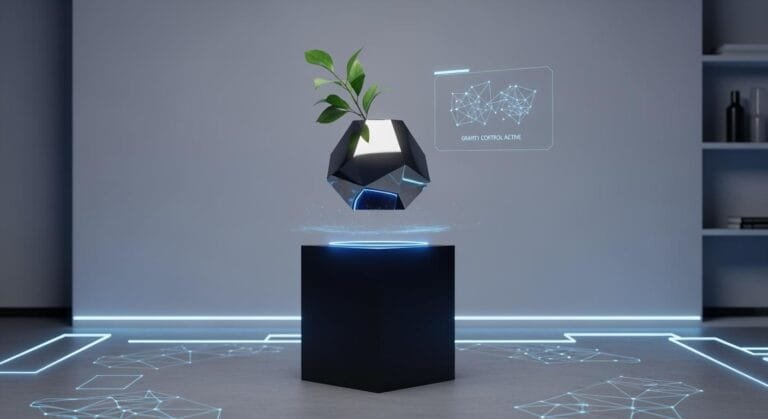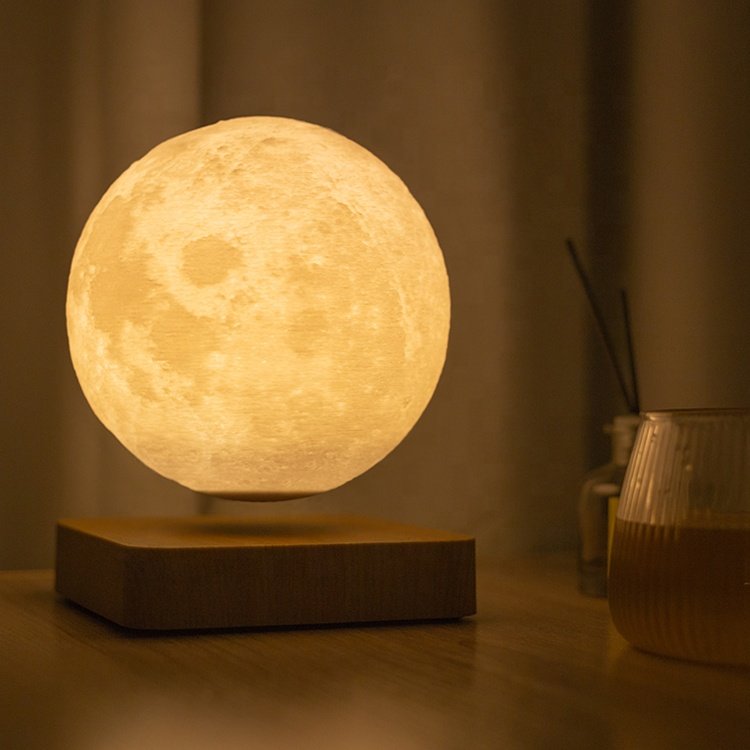
自宅で磁気浮上ディスプレイを作る方法
磁気浮上ディスプレイを自宅で作成できる, これまでに何も構築したことがない場合でも、. このプロジェクトでは、何かユニークなものを実験して作成できます. 物理学や工学の知識は必要ありません. 必要なのは好奇心と少しの忍耐だけです. 安全性が重要です, 時間をかけて各ステップに従ってください. 問題が発生した場合, それらを修正するためのヒントが見つかります.
ヒント: さまざまな物体を浮遊させてみる. 何が機能するかに驚かれるかもしれません!
キーテイクアウト
基本的な材料とツールがあれば、自宅で磁気浮上ディスプレイを構築できます. きれいなワークスペースから始めて、各ステップを慎重に実行してください.
安全性と簡単なセットアップのために 5V 電源を使用してください. これにより過熱が防止され、プロジェクトがより管理しやすくなります。.
磁場センサー, ホール効果センサーのような, オブジェクトを安定に保つために重要です. 位置の変化を検出し、電磁石の調整を支援します。.
キャリブレーションはスムーズな浮上の鍵です. 最良の結果が得られるよう、微調整を加えてシステムが安定するまで待ちます。.
ディスプレイをクリエイティブに活用する! フローティングオブジェクトを交換して、スタイルに合わせてデザインをカスタマイズします.
磁気浮上ディスプレイの仕組み
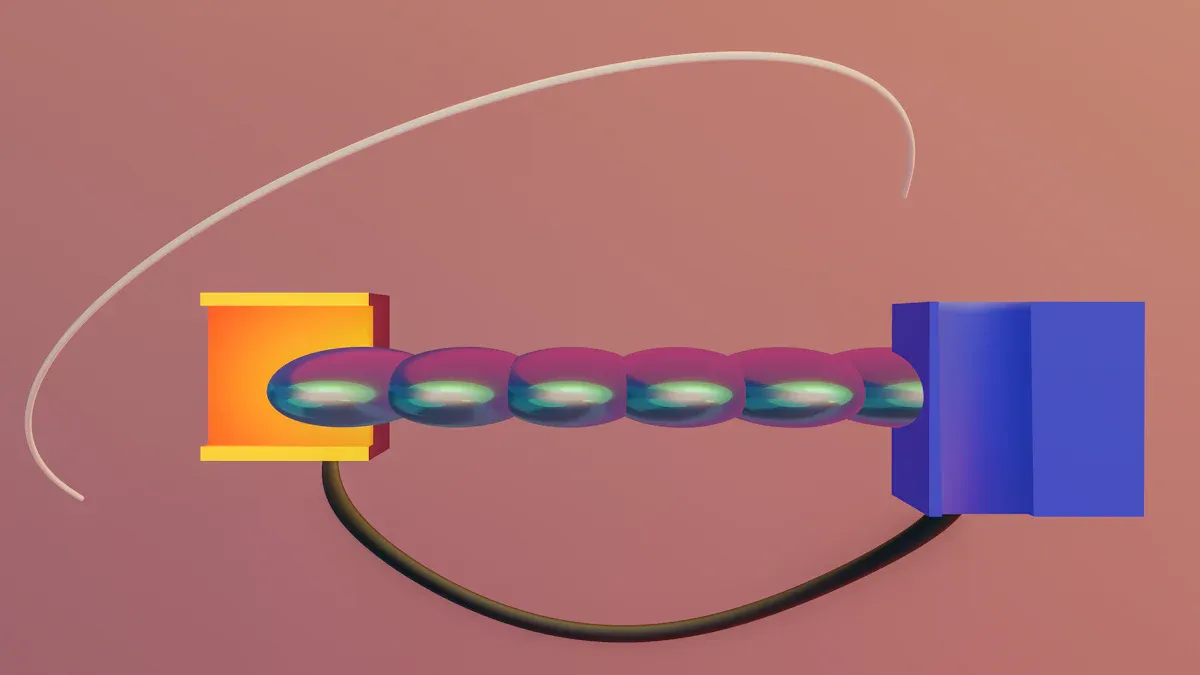
電磁石と浮上
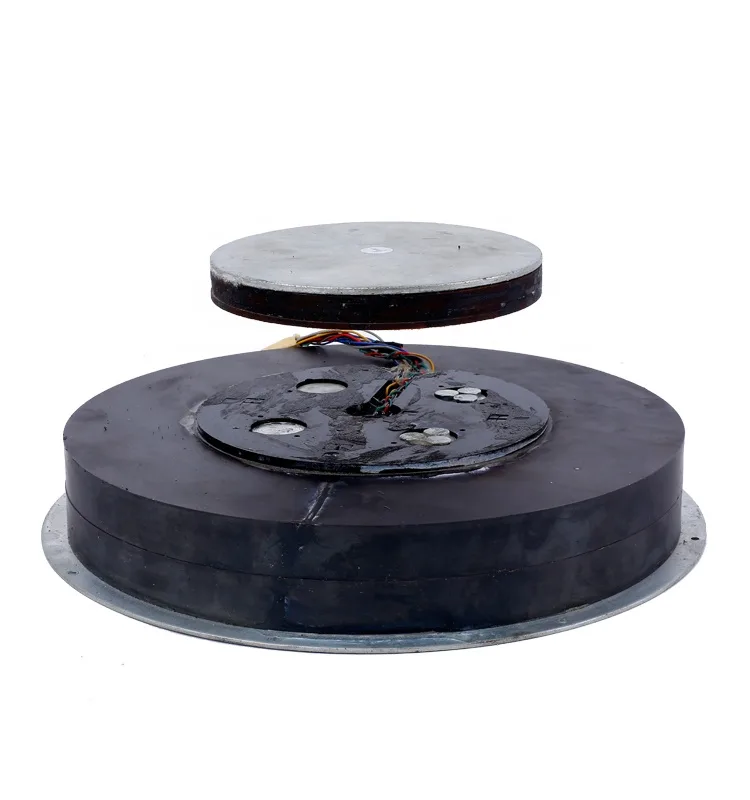
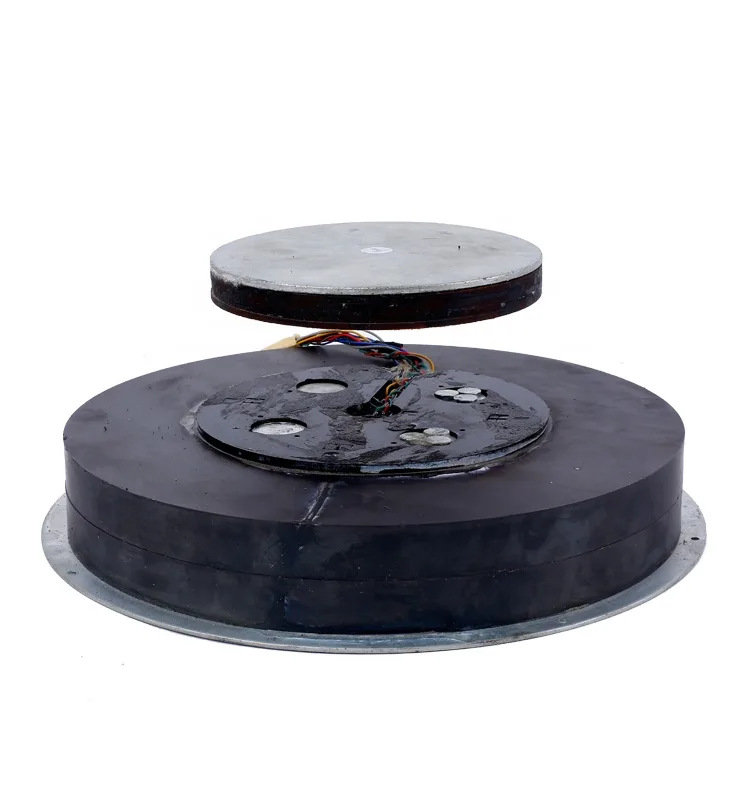
磁気浮上ディスプレイがどのようにして物体を空中に浮かせることができるのか疑問に思うかもしれません。. その秘密は 磁気浮上, またはリニアモーターカー. このテクニックを使用すると、物理的なサポートなしでオブジェクトを吊り下げることができます. 磁場が重力に逆らって物体を浮遊させます。. 物体を持ち上げて安定させるのに十分な磁力を生成する必要があります. そこで電磁石の出番です.
電磁石は制御に役立ちます フローティングマグネットの位置と安定性. 物体が傾いたり動き始めた場合, システムはすぐに電磁石を作動させます. オブジェクトを中心に引き戻します. この高速応答により、磁気浮上ディスプレイのスムーズな動作が維持されます。. 必要に応じて電磁石をオン/オフできます, 正確なコントロールが可能になります.
独自のディスプレイを構築する場合, パワーについて考える必要があるだろう. ほとんどの家庭用プロジェクトでは、電磁石に 5V 電源を使用します。. いくつかの実験では、 12v, しかしそれは過熱を引き起こす可能性があります. 一般的な電力需要を簡単に説明します。:
電圧 | 消費電流 | 力 (ワット) |
|---|---|---|
5v | n/a | n/a |
12v | 886ミリアンペア | 10.6 |
ヒント: 安全性と簡単なセットアップのために 5V 電源から始めます.
磁場センサーの役割
オブジェクトを正しい位置に浮かせ続けるためのセンサーも必要です. 磁場センサー, ホール効果センサーのような, 浮遊物体の位置の変化を検出します. オブジェクトが動くにつれて, センサーは磁場から信号を拾います. これらの信号は、オブジェクトがどこにあるかをシステムに伝えるパターンを作成します。.
マイクロコントローラーがセンサーデータを読み取り、3次元で正確な位置を把握します。. 次に、電磁石の電流を調整してオブジェクトを安定させます。. このフィードバック ループは、磁気浮上ディスプレイのバランスを保つのに役立ちます。.
ここにいくつかあります 使用できる一般的なセンサーの種類:
センサーの種類 | 説明 |
|---|---|
ホール効果磁気センサー | これらのセンサーは磁場を検出し、物体がどこにあるかを知るのに役立ちます。. |
電磁コイル | 磁気浮上ディスプレイの制御を改善するために使用されます。. |
注記: ホール効果センサーは使いやすく信頼性が高いため、DIY プロジェクトで人気があります。.
材料と道具のリスト
必須コンポーネント
独自の磁気浮上ディスプレイを構築するには、いくつかの重要な部品が必要です. 始めるための便利なチェックリストは次のとおりです:
20 セラミック磁石
超強力ネオジム磁石
強力磁気ストリップ
プラスチック製ガイドレール
コンパスと鉄やすり (試験フィールド用)
木ブロックと木ダボ
透明粘着テープと軽量テープ
紐とか糸とか
本, 米国のニッケル, ドル紙幣, 5ペニー, 四分の二, 小さなペーパークリップ6個と (テストとバランス調整用)
数冊の雑誌と一枚の紙 (8.5 × 11)
サンドペーパーのシート
電磁基地
木箱
ドリル
表示するために選択したオブジェクト
ヒント: フローティングディスクを小さなフォトフレームやお気に入りのおもちゃと交換できます。. 創造力を発揮する!
工具とはんだ付けの必要性
すべてを組み合わせるには、いくつかの基本的なツールが必要です. 用意しておきたいものはこちら:
はんだごて そしてはんだ付け
マルチメーター (接続確認用)
ドリルとビット (5/16まで″)
絶縁テープまたはシュリンクラップ
のり
5/16番目のレンチ
オシロスコープ (オプション, 高度なテスト用)
はんだ付けするとき, 常に安全を念頭に置いてください:
飛沫を防ぐために保護眼鏡を着用してください.
ロジンフリー、鉛フリーはんだを使用してください.
はんだ付け後は手を洗いましょう.
はんだごての熱い先端には触れないでください.
小さな部品を保持するにはクランプまたはピンセットを使用します.
作業スペースの換気が良好であることを確認してください.
注記: 整理整頓されたワークスペースは事故を回避し、プロジェクトをより楽しくします。.
どこで購入できるか 2025
磁気浮上ディスプレイのほとんどの部品は、オンラインまたは地元の電気店で入手できます。. 価格は住んでいる場所と購入する数によって変わる場合があります. いくつかのオプションとその推定コストを簡単に説明します。:
製品説明 | 推定コスト (米ドル) | 最低注文数 | サプライヤー |
|---|---|---|---|
新しいデザインのトップフローティング両面アクリル磁気浮上ディスプレイ | $55-125 | 100 セット | マスターディスプレイ製品 |
スーパースリム磁気浮上ディスプレイスタンド | $80 | 1 ピース | 深センCOGIDEAテクノロジー株式会社, 株式会社. |
アクリル磁気浮上製品磁気フローティングシューディスプレイ回転ディスプレイスタンド | $59 | 1 セット | 深センMJS工業株式会社, 株式会社. |
2024 ホットセラーホワイトフローティング磁気浮上回転浮上眼鏡浮遊スタンド | $26-31.80 | 2 個 | 寧波マグネットパワー株式会社, 株式会社. |
2025 新しいデザインの回転浮上磁気写真フローティングディスプレイスタンド | $12.50-16.50 | 50 個 | 深センウォーターキュービックテクノロジー株式会社, 株式会社. |
500gタッチスイッチ自動リフトダウン磁気浮上フローティングディスプレイスタンド | $42-44 | 10 個 | Zhaoqing Goodwell Electronic Company Limited |
カスタマイズされたデザインのアクリル ワイン ボトルは照明ベースのディスプレイを導きました | $18-25 | 100 個 | 東莞ドーウィン電子製造株式会社. |
高級LEDライト携帯電話ウォールディスプレイショーケース | $150-250 | 5 セット | 広東ベンソン優秀家具技術有限公司, 株式会社. |
磁気浮上ボトルディスプレイスタンド | $10-38 | 50 単位 | アクリルワールドSDN. BHD. |
眼鏡回転浮上磁気フローティングディスプレイスタンド | $17.50-28 | 2 個 | 深センエベレストギフトアンドディスプレイ株式会社, 株式会社. |
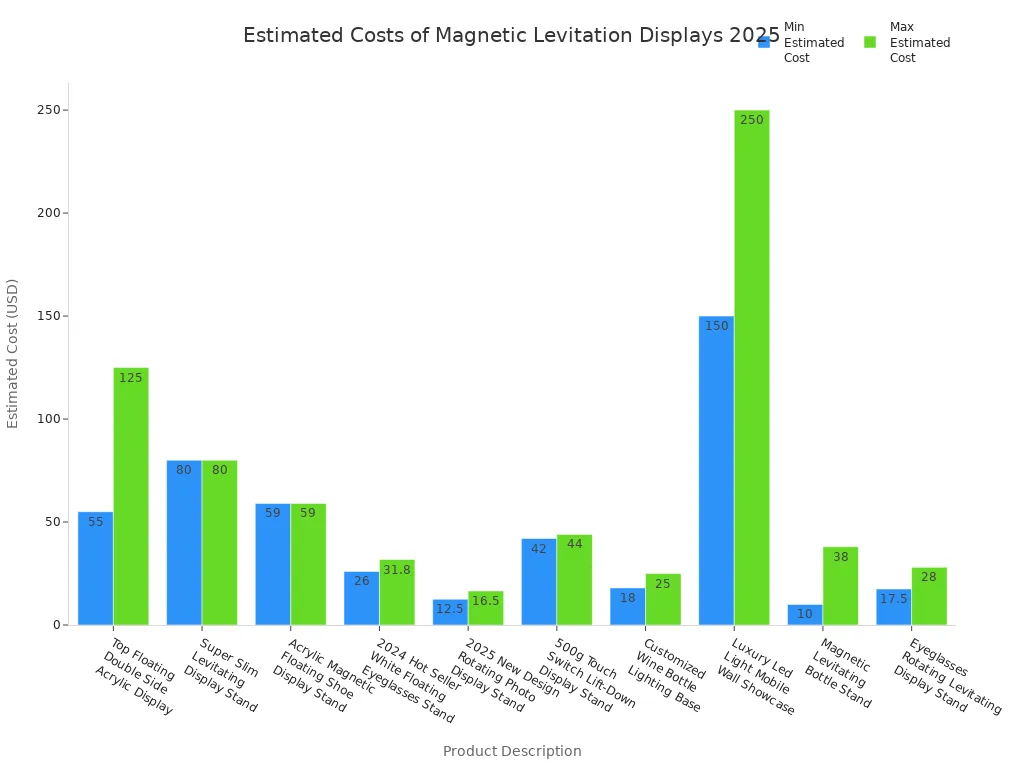
で 2025, 価格と在庫状況は地域によって大きく異なる場合があります. 米国. ラテンアメリカには新しいテクノロジーに対する多くのオプションとサポートがあります. ヨーロッパとアフリカは安全性とグリーンエネルギーに重点を置いています, 環境に優しいディスプレイの選択肢が増えるかもしれません. アジアでは, 日本のような国, 韓国, と中国が先進的な磁気浮上プロジェクトをリード. 地元のサプライヤーやオンライン マーケットプレイスで最安値をチェックしてみてはいかがでしょうか.
磁気浮上ディスプレイを構築する

ワークスペースを準備する
構築を始める前に, ワークスペースをきれいに整理整頓したい. 整理整頓されたエリアにより、工具をすぐに見つけることができ、小さな部品の紛失を防ぐことができます。. 間違いを避けるためにいくつかの簡単なトリックを使用できます:
始める前にすべての部品とツールをレイアウトします.
ネジ用のラベル容器, 磁石, とワイヤー.
簡単に参照できるように説明書や図を近くに置いてください.
チェックリストを使用して、完了した各ステップを追跡します.
これらの手順は次のように機能します ポカヨケシステム 工場で. エラーを早期に発見し、各ジョブを正しい方法で実行できるようにするのに役立ちます。. リーン マニュファクチャリングのアイデアは、問題が大きくなる前に停止して解決することを思い出させます。. 整理整頓をするとき, 磁気浮上ディスプレイがよりスムーズに連携します.
ヒント: 適切な照明により、小さな部品が見やすく、ラベルが読みやすくなります。.
電磁石ベースを組み立てる
これで、磁気浮上ディスプレイの心臓部の構築を開始できます。. 電磁石ベースが物体を持ち上げて空中に保持します. このステップでは細心の注意を払う必要があります, 小さなミスが後で大きな問題を引き起こす可能性があるため. ここにいくつかあります よくある組み立てエラー そしてそれらを避ける方法:
組み立てエラー | 予防方法 |
|---|---|
コア形状による磁気ショート | コア形状をU字型からJ字型に変更- または磁気ショートを避けるためのI字型. |
芯の調整が難しい | 調整を容易にするために、小さなカッティング ディスクまたはフライス ヘッドを使用して大まかなクランプを緩めます。. |
センサーに不適切な極面 | 解放された鉄心を回転させて、ホール センサーに接着するためのより大きく平らな磁極面を作成します。. |
電磁石にワイヤーをはんだ付けするとき, 常に安定した手を使用する. ピンセットまたはクランプでワイヤーを保持します. はんだごてを接合部に 1 ~ 2 秒間触れてください. はんだを流す, それからアイロンを引き離します. 熱い先端には絶対に触れないでください, そして常に目の保護具を着用してください.
注記: 表示をカスタマイズしたい場合, 木箱の中にベースを組み立てたり、部屋に合わせてペイントしたりできます.
磁界センサーの取り付け
磁場センサーはディスプレイの頭脳です. 浮動オブジェクトが常にどこにあるかをシステムに通知します. 最良の結果を得るために慎重にインストールしてください. ステップバイステップのガイドは次のとおりです:
センサーのデータシートを読んで感知領域を見つけます.
ホールセンサーをコイル内に配置し、平らな面が地面と平行であることを確認してください.
センサーを接着剤またはテープで所定の位置に固定します.
コイルを一時停止して電力を供給します.
磁石の位置を調整して引力または反発力をテストします.
浮遊物の重心を確認し、必要に応じて調整します。.
センサーの正確な配置は非常に重要です. 磁気浮上ディスプレイは位置のわずかな変化も検出できます. これにより、システムは傾きやぐらつきをすぐに修正することができます。. 多くのビルダーが使用しています 3 つのホール効果センサー 全方向の磁場を測定する. この設定により、フローティング磁石が傾いたときをディスプレイが感知し、適切な電磁石をすぐに作動させて安定した状態に保つことができます。.
ヒント: 空中に浮くフォトフレームを作りたいなら, センサーをフレームの背面に取り付けて、外観を隠すことができます.
浮上の校正とテスト
オブジェクトが浮くのを確認する準備がほぼ整いました! キャリブレーションは最終ステップです. スムーズで安定した浮上を実現します。. 最良の結果を得るには、次の手順に従ってください:
物体が浮き始めるまで、制御システムを使用してコイルの電流を調整します。.
パルス幅変調を使用する (PWM) 浮上力を微調整する.
小さな変更を加えて、オブジェクトがどのように反応するかを見てください. ぐらついていたら, 再度調整する.
LED インジケータを使用して、オブジェクトが正しい位置にあるかどうかを確認します.
各変更後、システムが安定するまで数秒待ちます。.
を使用することもできます 電磁石の近くのホールプローブ PWM信号生成を支援するため. リニア ホール プローブは、ホール スイッチよりも優れたリフトを提供します. 電源が安定していることを確認してください, 何らかの変化が物体を落下させる可能性があるため、.
注記: 校正には忍耐が必要です. わずかな調整で、磁気浮上ディスプレイの動作に大きな違いが生じます。.
クリエイティブになりたいなら, フローティングディスクを小さなおもちゃと交換してみてください, フォトフレーム, またはお気に入りのコレクションでも. オブジェクトが重すぎず、重心のバランスが取れていることを確認してください。. ベースを塗装することもできます, LEDライトを追加する, または自分のスタイルに合わせてカスタムスタンドを構築することもできます.
🎉 これで、独自の磁気浮上ディスプレイを構築できました。! 浮遊作品をぜひお楽しみください.
トラブルシューティングとヒント
よくある問題
磁気浮上ディスプレイを構築するときに、いくつかの問題が発生する可能性があります。. 心配しないでください。ほとんどの人がそうします! 最も重要な問題を見つけて修正するのに役立つ表を次に示します よくある問題:
問題 | 説明 |
|---|---|
不適切な計算 | 磁力や電流の計算を間違えたら, ディスプレイが動作しない可能性があります. |
コンポーネントの選択が不適切 | 間違った部品を選択すると、浮上が困難または不可能になる可能性があります. |
コンポーネントの過熱 | 電流が多すぎるか、設計が不十分であると、部品が熱くなり、動作しなくなる可能性があります. |
磁力が不足している | 磁石が弱すぎる場合, オブジェクトが浮かなかったり、ぐらついたりします. |
ワークスペースも確認できます. あることを確認してください 近くに鉄金属がない. 金属製の物体は磁場を乱し、ディスプレイを不安定にしたり不安定にしたりする可能性があります。.
ヒント: 物体が落ち続ける場合, より軽い物体またはより強力な磁石を使用してみてください.
安全に関するアドバイス
強力な磁石や電気を扱う作業では安全が第一です. 従うべき簡単なルールをいくつか示します:
手袋と保護眼鏡を着用してください 強力な磁石を扱うときは.
磁石を携帯電話に近づけないでください, コンピュータ, およびその他の電子機器.
あなたまたは近くの人が医療インプラントを装着している場合, 少なくとも磁石を保持してください 12 インチ (300 mm) 離れて.
大きな磁石を移動または分離するには非磁性ツールを使用します.
子供やペットに磁石やワイヤーで遊ばせないでください。.
⚠️ 配線を変更する前に、必ずプロジェクトのプラグを外してください.
カスタマイズのアイデア
磁気浮上ディスプレイを自分のスタイルやスペースに合わせることができます. 始めるためのアイデアをいくつか紹介します:
カスタマイズの側面 | 説明 |
|---|---|
ビジュアルデザイン | お部屋やデスクに合うデザインをお選びください. |
材料 | 木材を試してみる, 金属, ガラス, またはベース用のプラスチック. |
カラーオプション | 黒などの色を選ぶ, 白, インテリアに合わせて天然木を使用することもできます. |
サイズ | ベースと浮遊オブジェクトがスペースに収まっていることを確認してください. |
LED照明 | カラーライトまたはソフトライトを追加してディスプレイを目立たせる. |
カスタマイズ可能なベース | あなたの名前を追加してください, ロゴ, または個人的なタッチのための特別な色. |
浮遊オブジェクトのさまざまな形状や重さを試すこともできます. 軽い物体は浮きやすい. もっと重いものを使いたい場合, より強力な磁石またはより大きなベースが必要になる場合があります.
🎨 楽しんでディスプレイをユニークにしましょう! 新しいアイデアを試して、自分にとって何が最適かを確認してください.
独自の磁気浮上ディスプレイを構築する方法を学びました. 覚えておくべき主な手順は次のとおりです:
穴を開ける そしてベースを箱の中に置きます.
ディスクが浮くスイートスポットを見つける.
高さを確認し、必要に応じて調整します.
お気に入りのオブジェを台の上に置いて楽しんでください.
ヒント: さまざまなオブジェクトやデザインを試してみる. 素敵なものが見つかるかもしれません! 慎重な調整と忍耐がディスプレイを最適に動作させるのに役立ちます.
質問がある場合、またはプロジェクトを共有したい場合? 以下にコメントをドロップしてください!
よくある質問
私の空中浮遊物体はどれくらいの重さになりますか?
オブジェクトを軽く保ちたい. ほとんどの DIY ディスプレイは、以下のアイテムで最適に機能します。 200 グラム. 重いものを使用する場合, より強力な磁石とより大きなベースが必要です.
浮上にはどんな種類の磁石も使用できますか??
ネオジウム磁石を使うべきです. 彼らは強くて信頼できる. セラミック磁石では十分な力が得られないことがよくあります. 始める前に必ず磁石のサイズと形状を確認してください.
物体が落ち続けたらどうなるか?
電流を調整するか、センサーの位置を変更してみてください. オブジェクトのバランスを確認してください. より軽いアイテムやより強力な磁石を使用することもできます. 小さな変更は大きな助けになります.
ディスプレイを一日中オンにしたままにしても安全ですか??
部屋を出るときはディスプレイの電源を切る必要があります. 電磁石は熱くなる可能性があります. 長く使用すると部品が磨耗する可能性があります. 安全が第一です.
ディスプレイを回転または移動させることはできますか?
はい! モーターを追加したり、特殊なコイルを使用したりできます. 一部のキットではオブジェクトを回転させることができます. すべてのバランスが取れ、安定していることを確認してください.