产品开发人员的磁悬浮模块集成清单

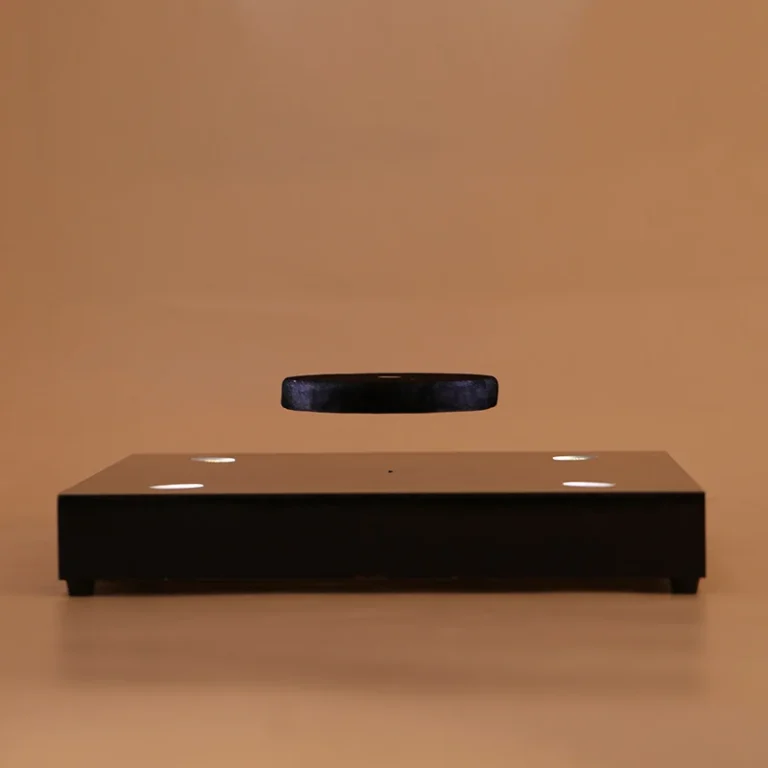
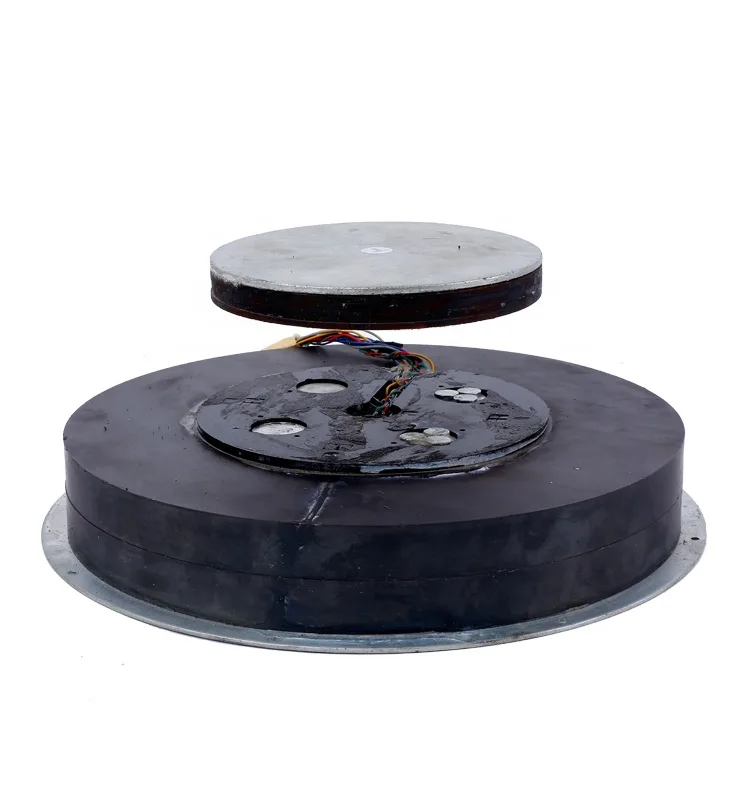
您为产品选择了磁悬浮模块——悬浮显示屏, 动能灯, 零售道具, 或定制 OEM 设备. 模块本身是一个密封的黑匣子: 带电磁铁的底座, 一个控制器, 和浮动有效载荷. 困难的部分不是模块; 这是机械的, electrical and optical integration that makes the final product stable, safe and manufacturable. 这 magnetic levitation module integration checklist captures the engineering decisions every product developer must close before tooling.
Integration Scope: What You Are Actually Designing
A levitation product integrates four systems at once:
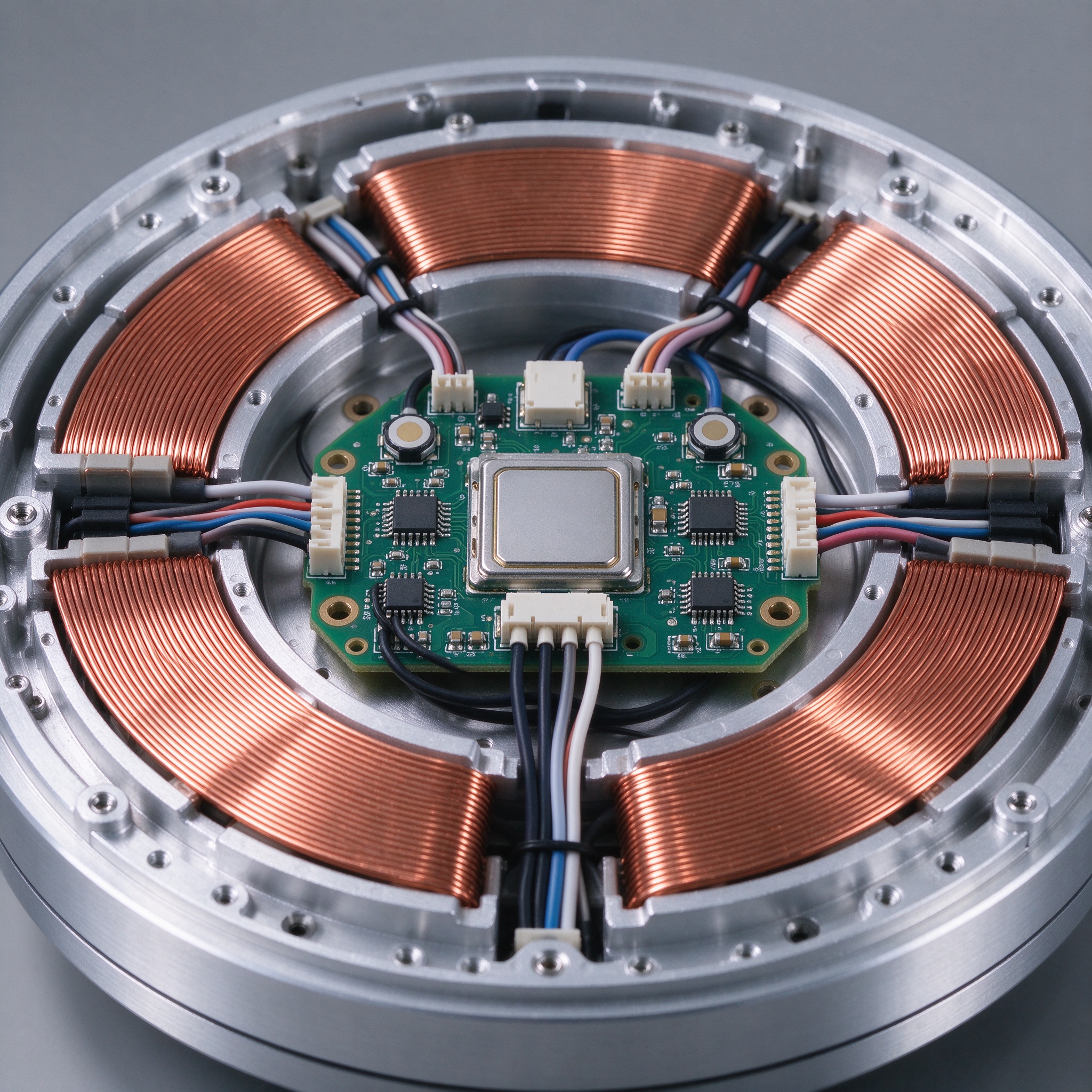
1. Mechanical housing. The base must contain the coil stack, controller and power supply while managing heat, weight and center of gravity.
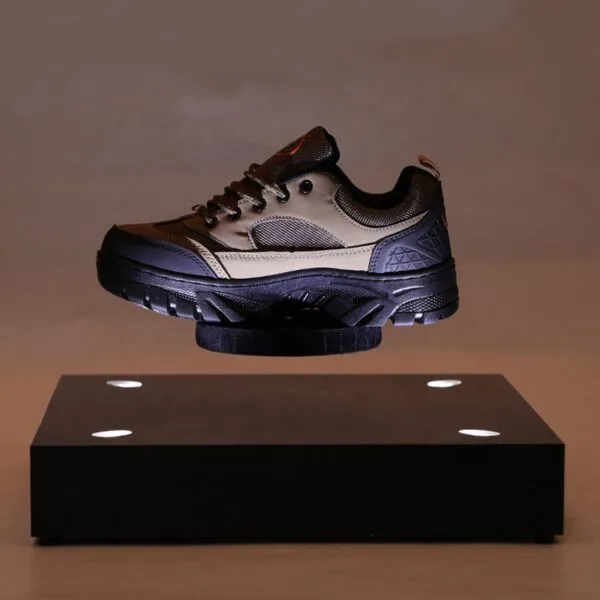
2. Magnetic payload. The floating object must meet the module’s load, center-of-gravity and gap requirements.
3. Electrical supply. Input power, 接线, connectors and safety approvals (CE, 美国联邦通信委员会, UL, PSE, KC depending on market).
4. Optical and UX elements. LED strips, lenses, materials and finishes that do not interfere with magnetic fields or heat dissipation.
Each system interacts with the others; the checklist below closes them in order.
Mechanical Integration
| 物品 | What to verify |
| Base internal height | Fits coil stack + 控制器 + 电源, with cooling clearance |
| Base center of gravity | Base must not tip when the payload floats at the edge of its gap |
| 有效负载重量 | Within module’s rated load capacity, measured at actual center of gravity |
| Payload center of gravity | Must align with the coil axis; offset payloads reduce stability |
| 悬浮间隙 | Confirmed against module spec, typically 10–20 mm |
| Material choice | Non-ferrous materials only (aluminum, plastic, 木头, 陶瓷制品); no steel near the coil |
| Vibration environment | Expected vibration at installation site; module must hold under it |
| Clearance around payload | The floating object must not collide with housing or decor during disturbance |
A simple test: place your finished payload on the module and lift it through the full gap range. If it settles off-axis, the center of gravity is wrong.
Electrical Integration
– Input voltage and current match the module’s power supply rating.
– Connector chosen for production (not bench wires); strain relief and retention designed.
– Power supply meets safety approvals for target market.
– If adding LEDs, route their wiring away from the coil stack to avoid electromagnetic interference.
– On/off and power-fail behavior defined: what happens when the power cuts out?
Payload Design Rules
The floating object is the product’s face. Design it to:
– Keep center of gravity low and on the axis.
– Avoid internal ferromagnetic components (screws, springs, batteries) that distort the field.
– Use non-metallic or non-ferrous fasteners.
– If the payload includes a light source, power it wirelessly or use a light enough battery at the correct center of gravity.
– Allow the factory to test balance before final finish.
Heat and Environmental
The coil stack dissipates heat continuously. Integration questions:
– Is there airflow around the base, or is it enclosed?
– What is the maximum ambient temperature the product will see?
– Will the base surface stay below safe touch temperature?
– If outdoor or high-humidity, what IP rating does the module and housing need?
Safety and Certification
Before selling:
– Power supply certified for target markets (CE, 美国联邦通信委员会, UL, PSE, 肯尼迪, RCM).
– Product tested for drop, tip and electrical safety.
– Power-fail landing behavior: the payload must land safely, not fall on a user or a surface.
– Labeling and warning notes defined.
集成清单, Step by Step
1. Confirm module load capacity at your payload’s actual weight and center of gravity.
2. Confirm levitation gap with the payload assembled, not the bare part.
3. Run a 24-hour continuous levitation test with the finished housing.
4. Test disturbance: gentle touch, 振动, air movement — does the module recover?
5. Test power-fail landing: cut power ten times and observe where the payload lands.
6. Verify no ferromagnetic parts in the magnetic zone.
7. Confirm thermal: base surface temperature after 8 hours of continuous operation.
8. Confirm electrical safety approvals for target markets.
9. Confirm supply chain: 交货时间, 起订量, 包装, and spare module policy.
10. Sign off with a pre-production sample tested under real operating conditions.
常问问题
问: Can I use any floating object with a levitation module?
一个: 不. The payload must match the module’s rated load, center of gravity and gap. Objects that are too heavy, off-balance, or contain ferrous parts will not float stably.
问: How much gap should I design for?
一个: Modules typically specify 10–20 mm. Design your housing so the floating object sits at the center of that range, not at the edge.
问: What happens when the power goes out?
一个: A properly designed module has a controlled landing: the payload descends or is held in place when power fails. Verify this behavior on your finished housing.
问: Can I add LED lights inside the floating payload?
一个: 是的, but power must be wireless (induction) or a very light battery must sit at the correct center of gravity. Wire connections will not work on a freely floating object.
联系我们
Need a levitation module for your product? Send us the 有效负载重量, 重心, 目标差距, and markets you plan to sell in. We will recommend a module and provide integration drawings. 通过联系页面或 WhatsApp 联系我们.